Vehicle breakdown documentation is crucial for navigating the aftermath of a roadside incident. Whether you find yourself stranded on a quiet highway or involved in a more serious accident, having the right documentation can significantly impact your insurance claims and ensure a smoother recovery process. This article explores the importance of comprehensive vehicle breakdown documentation, detailing what essential photos you should take following a breakdown and how these images can bolster your accident documentation. We will also discuss the role that towing records play in your claims process and provide insights into situations where documenting may not be necessary. Understanding the value of thorough documentation can help you protect your interests and streamline communication with your insurance provider. For additional guidance on accident documentation, visit NHTSA for detailed resources. By equipping yourself with the right knowledge and tools, you can better navigate the complexities of vehicle breakdowns and their implications.
Importance of Vehicle Breakdown Documentation
Understanding the Role of Vehicle Breakdown Documentation
In the unfortunate event of a vehicle breakdown or roadside incident, having comprehensive documentation is crucial. Vehicle breakdown documentation serves not only as a record of the incident but also as a protective measure for drivers. When filing insurance claims, clear evidence can streamline the process and bolster your position should disputes arise. Proper documentation can include photographs of the vehicle, the surrounding environment, and any other involved parties. These images become essential for accident documentation, providing a visual account of the situation that can substantiate your claims.
Moreover, when a vehicle is towed, maintaining towing records is vital. These records not only track where your vehicle has been taken but also serve as a point of reference in case of any discrepancies regarding the incident. Having a detailed account not only aids in claims processing but also reinforces your credibility as a responsible driver.
Consequences of Inadequate Evidence
On the flip side, neglecting to document a vehicle breakdown can lead to significant challenges. Inadequate evidence may result in prolonged claims processing or, worse, denial of your claim altogether. Insurance companies often require robust documentation to assess liability and damages accurately. Without it, you may find yourself at a disadvantage, facing disputes about the particulars of the incident that could have been easily clarified with proper records.
Furthermore, relying solely on verbal accounts or memories can introduce inconsistencies, leaving room for misinterpretation. This is particularly critical in cases involving multiple parties where differing narratives can complicate matters. Without strong vehicle breakdown documentation, you risk undermining your position when navigating the often-complex world of insurance claims.
In today’s fast-paced environment, where accidents and breakdowns can happen at any moment, understanding the importance of thorough documentation cannot be overstated. Protecting your interests begins with a proactive approach, ensuring that you are prepared for any eventuality on the road.
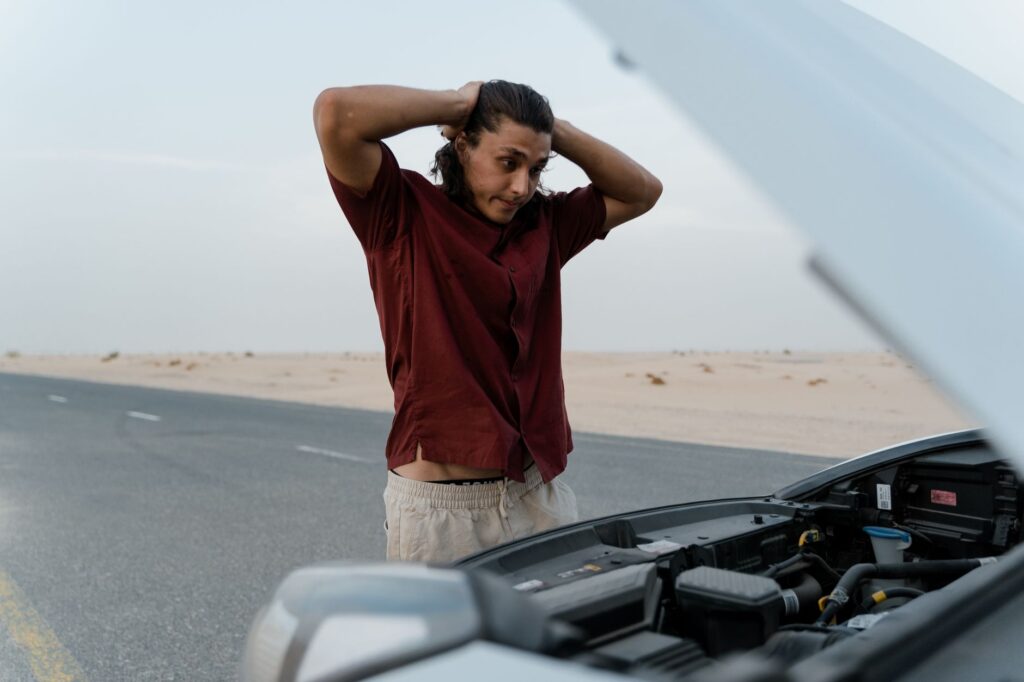
What to Photograph After a Vehicle Breakdown
Key Images to Capture for Vehicle Breakdown Documentation
When faced with a vehicle breakdown, the importance of thorough documentation cannot be overstated. The images you capture can prove invaluable, especially when dealing with insurance claims or roadside incidents. Here are some essential elements to photograph:
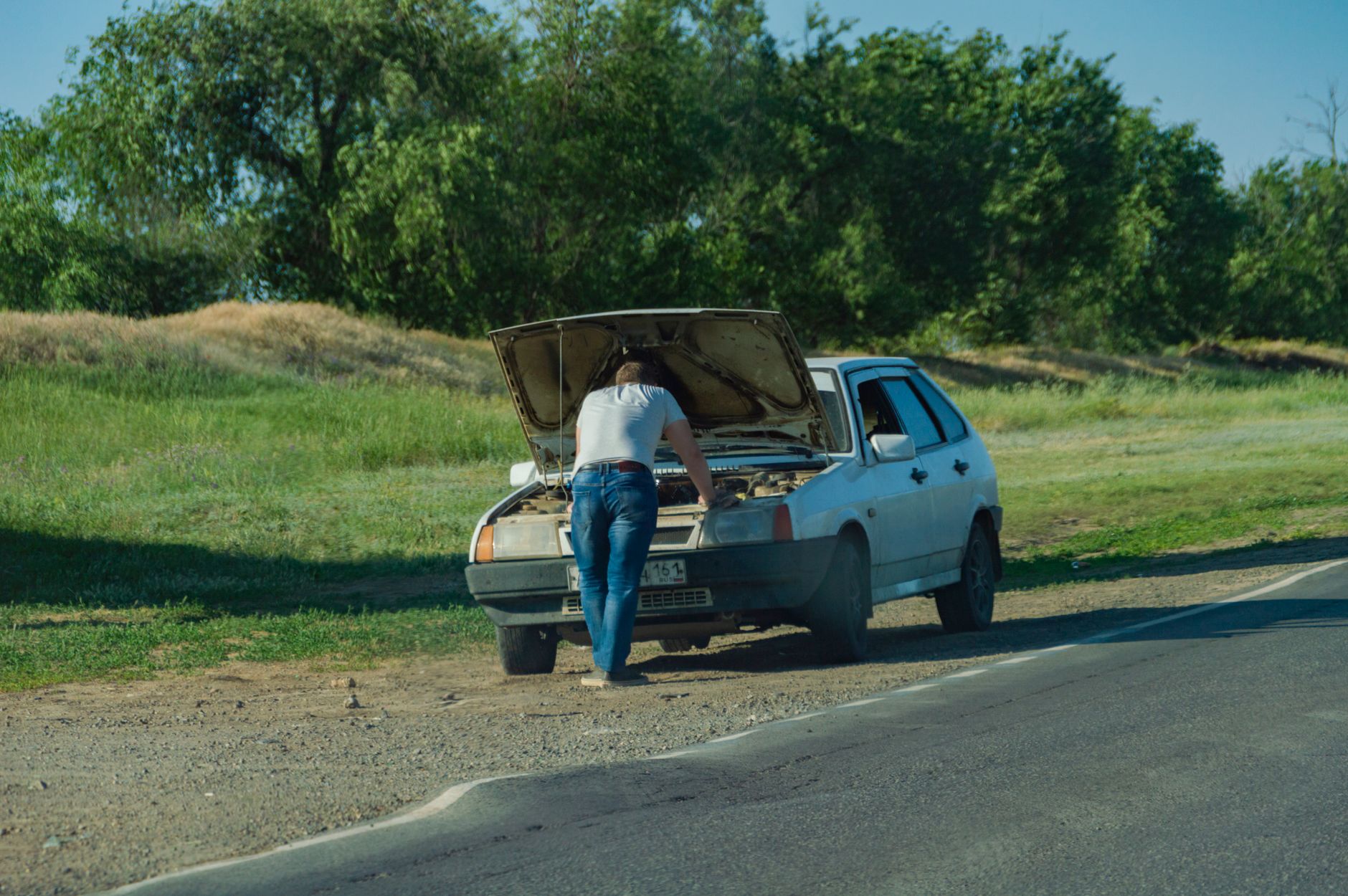
- The Vehicle’s Position: Capture the location of your vehicle, including the direction it is facing and its proximity to nearby landmarks or road signs. This helps in understanding the context of the breakdown.
- Visible Damages: Take detailed photos of any damage to the vehicle, focusing on scratches, dents, or mechanical issues. These images are crucial for accident documentation and will support any claims made.
- Surrounding Environment: Document the scene around your vehicle. This includes road conditions, weather, and any other vehicles involved. Such context can clarify the circumstances leading to the breakdown.
- Involved Parties: If other vehicles or individuals are part of the incident, capture their information as well. Ensure you photograph their vehicle license plates and any visible damages.
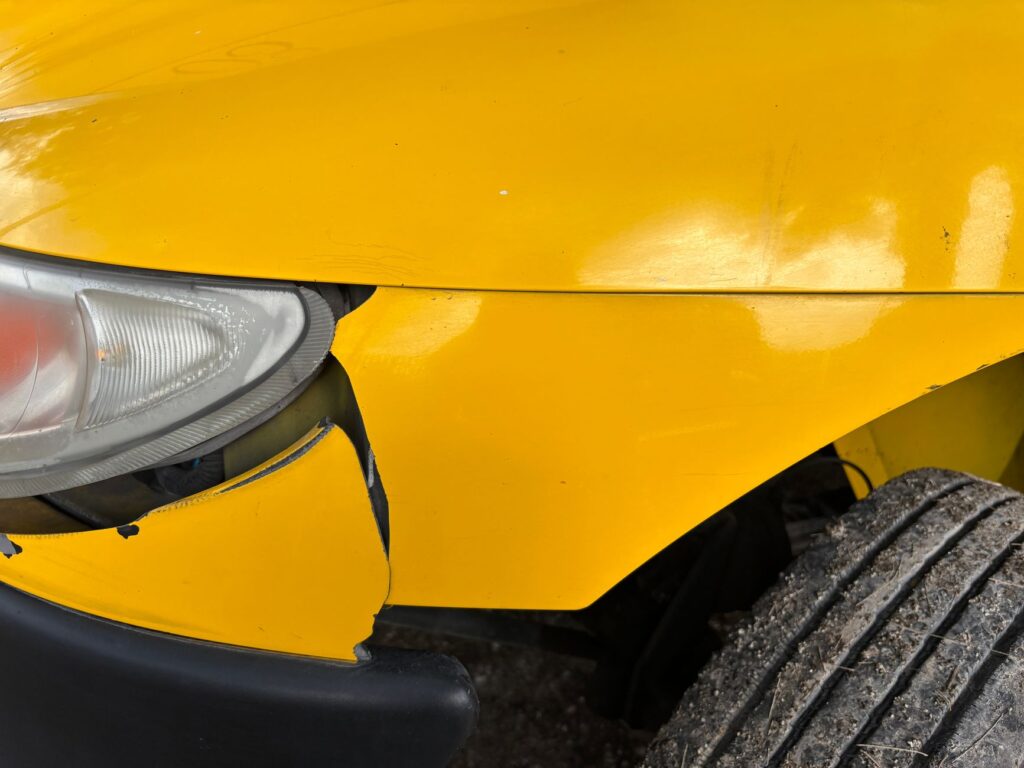
Best Practices for Vehicle Breakdown Documentation
To ensure the clarity and usefulness of your photographs, follow these best practices:
- Use Good Lighting: Natural light is best for capturing details. If it’s dark, use your vehicle’s headlights to illuminate the scene.
- Take Multiple Angles: Capture the same scene from different angles. This provides comprehensive documentation that can be useful for insurance processes.
- Ensure Clear Focus: Avoid blurry images. Make sure your camera is steady, and focus on the details that matter, particularly damage areas and license plates.
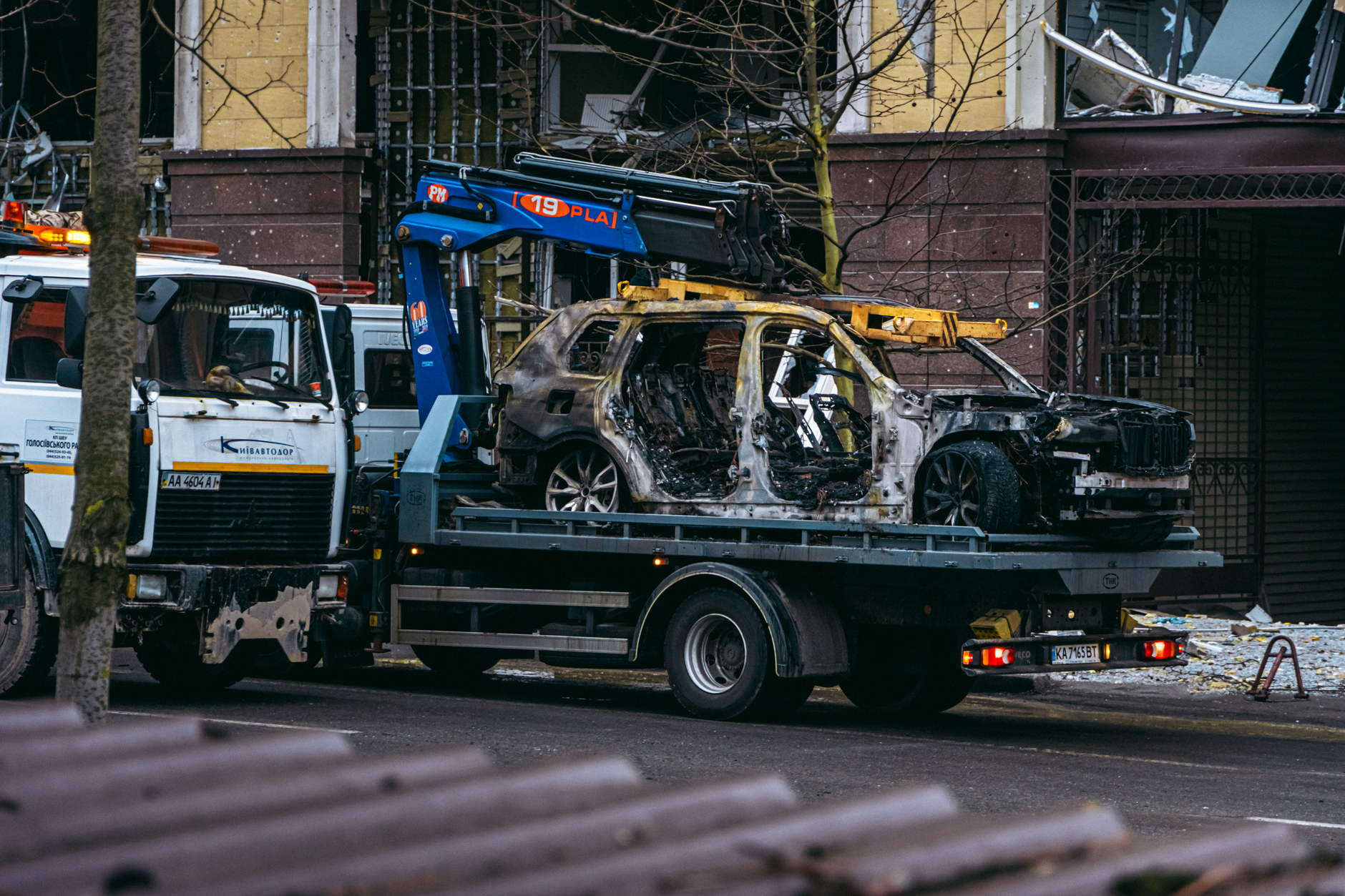
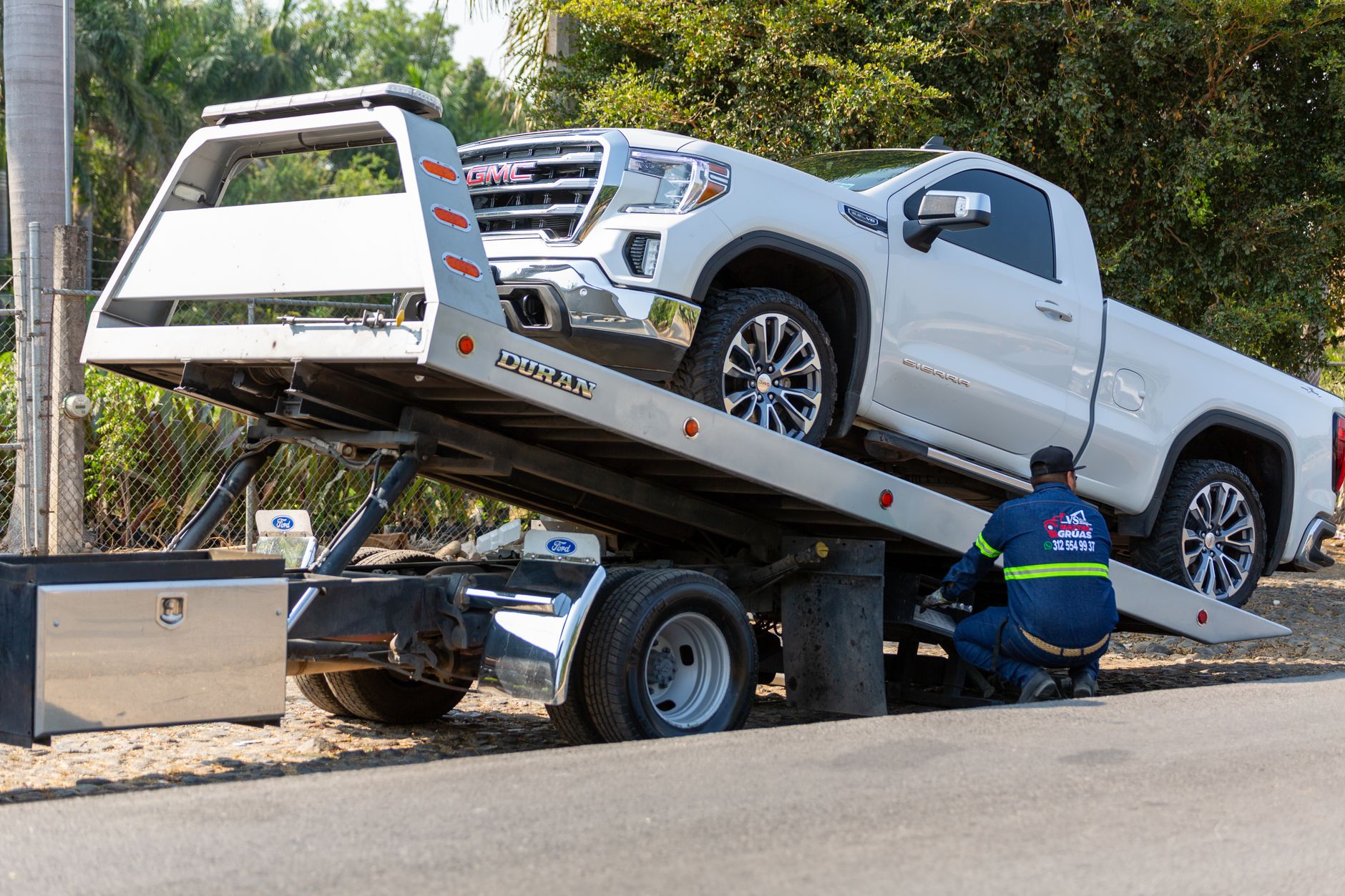
- Keep Accurate Towing Records: If your vehicle requires towing, document the towing process. Take photos of the tow truck, your vehicle being loaded, and any paperwork provided. Accurate towing records are essential for any potential claims.
By following these guidelines, you will create a robust set of vehicle breakdown documentation that can facilitate smoother interactions with insurance companies and help clarify the circumstances surrounding the incident. Effective documentation not only protects your interests but also aids in resolving any disputes that may arise. Remember, thoroughness in capturing details can make all the difference in a successful claim.
How Vehicle Breakdown Documentation Affects Insurance Claims
The Claims Process Explained
When a vehicle breaks down, the aftermath can be challenging, especially when it comes to insurance claims. The importance of thorough vehicle breakdown documentation cannot be overstated. Insurance companies rely on comprehensive evidence to assess the legitimacy of claims, and having detailed records can significantly influence the outcome. For example, if a driver experiences a roadside incident and is unable to provide proof of the breakdown, such as photos or towing records, their claim may be delayed or even denied. According to the Insurance Information Institute, proper documentation is crucial in clarifying the circumstances and justifying the claim amount. Without it, the claims process can become convoluted and frustrating.
Supporting Your Case with Evidence: The Role of Vehicle Breakdown Documentation
To support a claim effectively, drivers should document every aspect of the incident. This includes taking photos of the vehicle’s condition, noting the location, and collecting any relevant towing records. These elements serve as accident documentation that can substantiate the driver’s narrative. Furthermore, insurance adjusters often assess roadside incidents based on the quality and quantity of evidence provided. A well-documented case not only facilitates faster processing but also strengthens the driver’s position in negotiations.
However, some may argue that the insurance company should take responsibility for investigating roadside incidents thoroughly without requiring extensive documentation from the policyholder. While this perspective holds some merit, the reality is that the burden of proof often lies with the claimant. Insurers are inundated with claims, and having robust vehicle breakdown documentation helps streamline their processes and reduces the risk of fraudulent claims.
Ultimately, investing a little time in gathering the right documentation can pay dividends when navigating the insurance claims process. By ensuring that all details are meticulously recorded, drivers can advocate for themselves more effectively, leading to a smoother resolution.
Counterpoints: When Not to Document
Situations that May Not Require Documentation
While vehicle breakdown documentation is essential in many scenarios, there are instances where documentation may not add value and could even complicate matters. For minor roadside incidents, such as a flat tire or a simple jump-start, taking extensive photos may be unnecessary. In these cases, the situation is often resolved swiftly without the need for formal records. Furthermore, if there are no injuries or property damage, the urgency of documenting the incident diminishes. Engaging in excessive documentation can lead to misunderstandings with roadside assistance or insurance providers, particularly if the situation escalates unnecessarily.
Moreover, if you’re in a safe location and waiting for professional help, focusing on the situation rather than taking pictures can be more beneficial. Roadside incidents that do not involve other vehicles, like a breakdown on a quiet road, typically do not require detailed accident documentation. Instead, a simple note of the incident and the time of occurrence may suffice.
Legal Considerations Regarding Vehicle Breakdown Documentation
From a legal standpoint, not all vehicle breakdowns necessitate documentation. In situations where no accident occurs, the legal implications are minimal. However, if you are involved in an accident, having proper documentation becomes critical. In such cases, documenting the event can support your claim for insurance claims and protect you from potential liabilities. Always consult with legal professionals if uncertainties arise regarding accident documentation, as laws vary by state and country.
while vehicle breakdown documentation is generally advisable, discerning when it is unnecessary can save time and reduce stress. Understanding the legal context and the nature of the incident will guide you in deciding whether to document or simply wait for assistance. Remember, when in doubt, consult professionals to ensure that you are making the best choice for your specific situation.
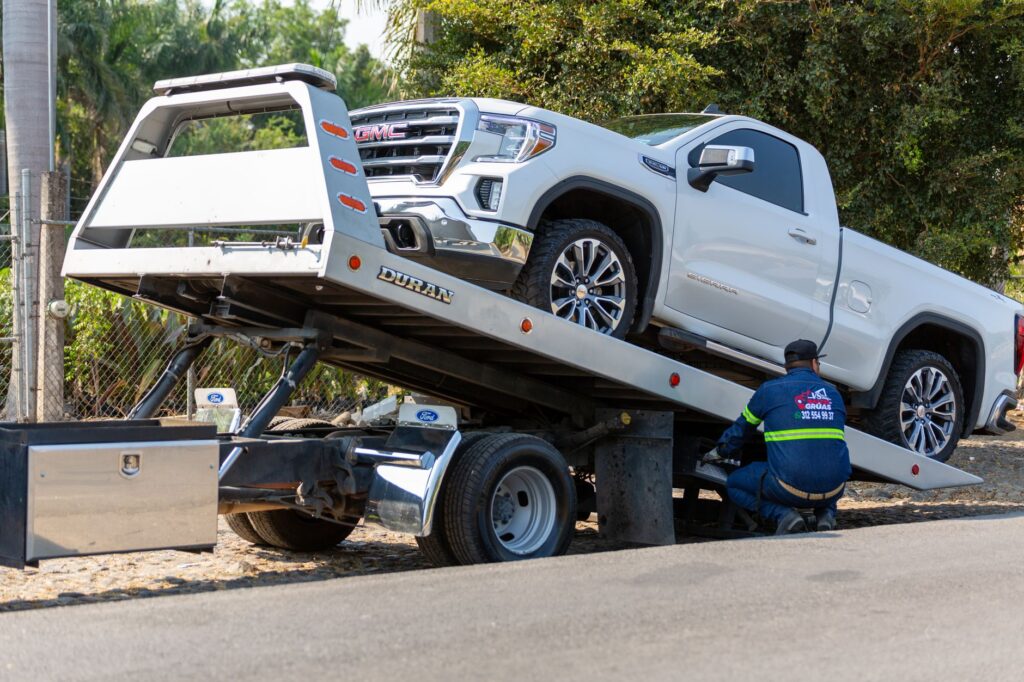
Conclusion: The Value of Comprehensive Documentation
The Importance of Vehicle Breakdown Documentation
For drivers, the unexpected nature of roadside incidents can lead to stress and confusion. Comprehensive vehicle breakdown documentation can act as a lifeline in these situations, providing clarity and order when it’s most needed. Having a systematic approach to documenting accidents, including well-timed photographs and detailed notes, can significantly streamline the process of filing insurance claims. This preparation not only saves time but also reduces the emotional burden associated with unexpected breakdowns.
When faced with a vehicle breakdown, the last thing any driver wants is to scramble for information. Organized documentation, including accident documentation and towing records, provides a clear account of what transpired, making it easier to communicate with insurance providers and roadside assistance services. A well-maintained file or digital folder containing these essential documents can be a game changer, transforming a potentially chaotic situation into a manageable one. 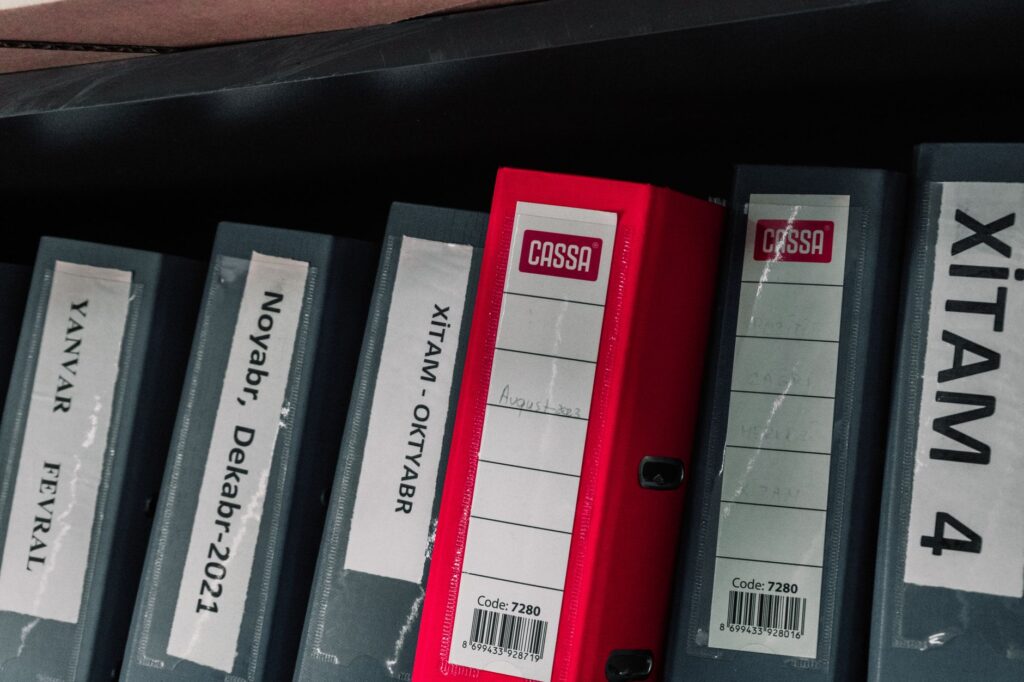
However, some might argue that documenting every aspect of a breakdown is unnecessary or time-consuming. While it may seem burdensome to take extra steps during a stressful moment, consider the benefits. Accurate vehicle breakdown documentation can protect drivers from financial loss and liability issues. A lack of proper documentation could lead to disputes with insurance providers, resulting in denied claims or inadequate coverage. Thus, the time invested in thorough documentation is ultimately time well spent.
In a world where every minute counts, being prepared with complete vehicle breakdown documentation can lead to a smoother, more efficient resolution. It equips drivers with the necessary tools to navigate the complexities of insurance claims and ensures that they are not caught off guard when the unexpected occurs. The value of this preparation cannot be overstated; it is a crucial aspect of responsible vehicle ownership that every driver should embrace.
Efficient vehicle breakdown documentation is vital for navigating the aftermath of roadside incidents. Taking comprehensive photos can significantly support your insurance claims and provide essential accident documentation. From capturing the scene of the breakdown to ensuring that towing records are accurate, each image serves a unique purpose in defending your case and expediting processes with your insurance provider.
To ensure you are prepared for any unexpected event, create a checklist of the essential photos to take during a vehicle breakdown. This proactive approach not only aids in smooth insurance claims but also equips you with the evidence needed for effective accident documentation. Remember, when caught in a roadside incident, having complete and well-organized vehicle breakdown documentation can make all the difference. Start by reviewing your current documentation practices and make adjustments as necessary to better protect yourself on the road.
“`html
What should I photograph after a vehicle breakdown?
After a vehicle breakdown, it’s essential to capture clear photographs of the scene. Take pictures of your vehicle from multiple angles, including close-ups of any damage. Document the surrounding area to provide context, noting road signs, hazards, or weather conditions. Additionally, photograph any other vehicles involved, especially if there are injuries or property damage. These images are crucial for vehicle breakdown documentation, helping to clarify the circumstances of the incident.
How does vehicle breakdown documentation help with insurance claims?
Vehicle breakdown documentation plays a vital role in the insurance claims process. Detailed records, including photographs and witness statements, can substantiate your account of the incident, making it easier for your insurer to assess the situation. Comprehensive documentation can expedite claim approvals and ensure that you receive fair compensation for damages. Insurers often rely on clear evidence to determine liability, making accurate documentation essential for a smooth claims process.
What are the best practices for documenting a roadside incident?
To effectively document a roadside incident, prioritize safety before taking pictures or gathering information. Move to a safe location, if possible, and ensure you have adequate lighting for photographs. Capture clear images of all vehicles involved, road conditions, and any relevant signage. Collect contact information from witnesses and other drivers. Keep a detailed record of the time, location, and circumstances surrounding the incident. This thorough approach to vehicle breakdown documentation will support any potential claims.
Is it necessary to document minor accidents?
Yes, documenting minor accidents is essential, even if the damage seems negligible. Minor accidents can lead to unforeseen issues, such as hidden damages or injuries that may surface later. By capturing evidence through photographs and written accounts, you establish a clear record of the incident. This documentation can be invaluable if disputes arise or if you need to file an insurance claim later. Always err on the side of caution and document any accident, regardless of its perceived severity.
How can I ensure my towing records are accurate?
To ensure accurate towing records, keep a detailed log of the towing process. Document the date, time, and location of the tow, along with the name of the towing company and driver. Request a receipt from the towing service, which should include the cost and any relevant details. Take photographs of your vehicle before and after it is towed, as this will help confirm its condition. Accurate records are crucial for resolving any disputes related to towing and for insurance claims.
What information is crucial for accident documentation?
Crucial information for accident documentation includes the date, time, and location of the incident. Collect details on all vehicles involved, including make, model, and license plate numbers. Document the names and contact information of drivers and witnesses. Capture photos of the scene, damages, and any relevant road signs. Additionally, jot down any statements made by involved parties. This comprehensive information will aid in the vehicle breakdown documentation process and is vital for insurance claims.
“`