Insurance towing coverage is a crucial aspect of vehicle ownership, providing peace of mind in the event of unexpected breakdowns or accidents. Understanding the nuances of this coverage can save you from incurring significant out-of-pocket expenses when you find yourself stranded on the side of the road. This article will delve into the essential elements of insurance towing coverage, including what it entails and why it is important. We will also explore how roadside assistance and towing coverage work together to offer comprehensive vehicle protection. Additionally, we will evaluate various vehicle assistance coverage options, clarify common misconceptions surrounding insurance towing coverage, and guide you in making informed choices about your coverage. For further insights on this topic, you might find resources like National Geographic and Consumer Reports helpful. By the end of this article, you will be equipped with the knowledge necessary to make the best decisions for your insurance needs.
What Is Insurance Towing Coverage and Its Importance
Understanding Your Policy’s Towing Provisions
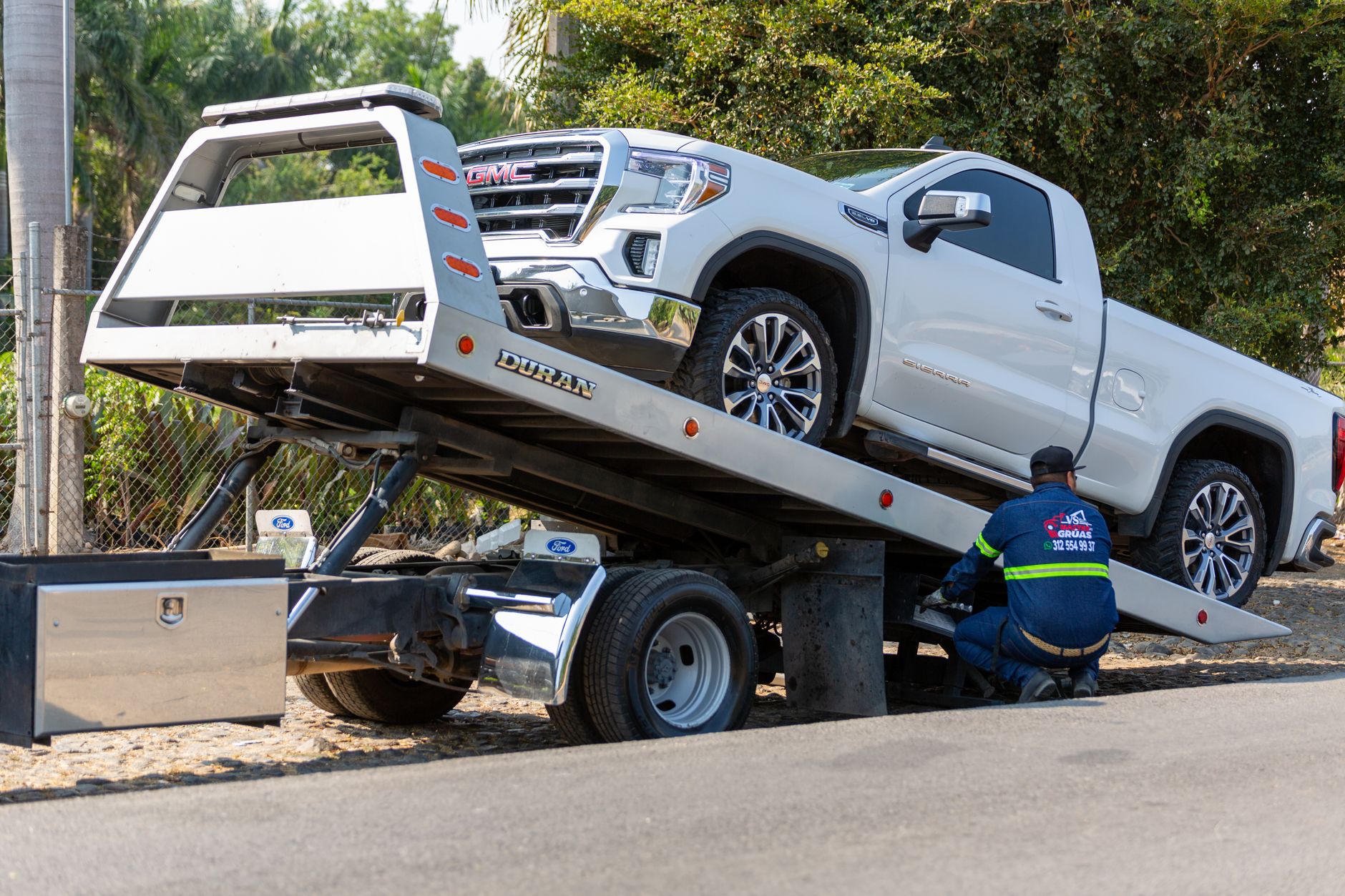
Insurance towing coverage is an essential component of auto insurance that offers financial protection when your vehicle requires towing due to a breakdown or accident. This coverage can save drivers from unexpected expenses that arise from towing services, which can range from $75 to over $300, depending on the distance and the type of vehicle involved. By incorporating insurance towing coverage into your policy, you not only alleviate the financial burden but also gain peace of mind knowing that help is just a call away.
The significance of towing coverage becomes even clearer when considering the variations in policies. Some insurance providers include basic towing services, while others offer comprehensive options that encompass vehicle assistance coverage, which may cover other roadside issues such as battery jump-starts, flat tire changes, and fuel delivery. Understanding your policy’s towing provisions can help you select the best coverage for your needs, ensuring that you’re well-equipped for any roadside emergency.
The Role of Roadside Assistance
Roadside assistance is often bundled with towing coverage, enhancing the overall value of your insurance policy. While towing coverage specifically addresses the cost of moving your vehicle to a repair shop, roadside assistance provides a broader range of services that can prevent the need for towing in the first place. This service can be particularly beneficial for those who frequently travel long distances or have older vehicles that may be more prone to mechanical failures.
Additionally, some insurance policies offer roadside reimbursement, which allows drivers to seek reimbursement for services rendered by a third party when they do not use the insurer’s network. This flexibility can be advantageous, especially in remote areas where preferred tow truck services may not be available.
the importance of insurance towing coverage extends beyond convenience; it offers financial security and peace of mind for drivers. By understanding the nuances of your policy and the role of additional services like roadside assistance, you can make informed decisions that enhance your driving experience. Ultimately, investing in comprehensive towing coverage and related services, such as tow truck insurance, is a wise choice that protects both your vehicle and your wallet.
How Roadside Assistance and Towing Coverage Work Together
When considering insurance towing coverage, it’s crucial to understand how it interplays with roadside assistance. These two components are not merely supplementary; they form a comprehensive safety net for drivers, enhancing the overall value of your policy.
Roadside Reimbursement Explained
Roadside assistance typically covers a range of services such as flat tire changes, jump-starts, and lockout services. However, when a vehicle requires towing, that is where insurance towing coverage becomes vital. Some policies also include roadside reimbursement, which can help drivers recover costs incurred when they seek assistance outside of their insurance network. For instance, if a driver opts for a local towing service rather than the insurance-recommended provider, they may still receive reimbursement for the expenses, up to a specified limit.
The importance of roadside reimbursement cannot be overstated. It provides flexibility and peace of mind, knowing that even if the insurance company’s services are not utilized, partial costs can still be reclaimed. This aspect can significantly affect claims, as it allows for a more personalized approach to vehicle assistance coverage. Thus, understanding your policy’s specifics regarding roadside reimbursement is essential before you face a breakdown.
When to Use Tow Truck Insurance
While roadside assistance covers minor issues, there are scenarios where relying on tow truck insurance is more prudent. For example, if your vehicle breaks down in a remote area or you experience a major mechanical failure, you will likely require towing services rather than simple roadside assistance. In such cases, having tow truck insurance ensures that your vehicle is transported to a safe location or repair facility without incurring exorbitant out-of-pocket expenses.
Additionally, it’s important to evaluate the costs associated with frequent towing needs. If you find yourself needing towing services often, investing in a dedicated tow truck insurance policy could be more valuable than relying solely on roadside assistance. These policies frequently offer higher coverage limits and more comprehensive services, making them a sound choice for high-mileage drivers or those in rural areas.
Ultimately, understanding how roadside assistance and towing coverage complement each other can empower drivers to make informed decisions about their insurance needs. By evaluating the specifics of your vehicle assistance coverage and being aware of the benefits of both roadside reimbursement and tow truck insurance, you can navigate the road ahead with confidence.
Evaluating Vehicle Assistance Coverage Options
Comparing Coverage Plans for Insurance Towing Coverage
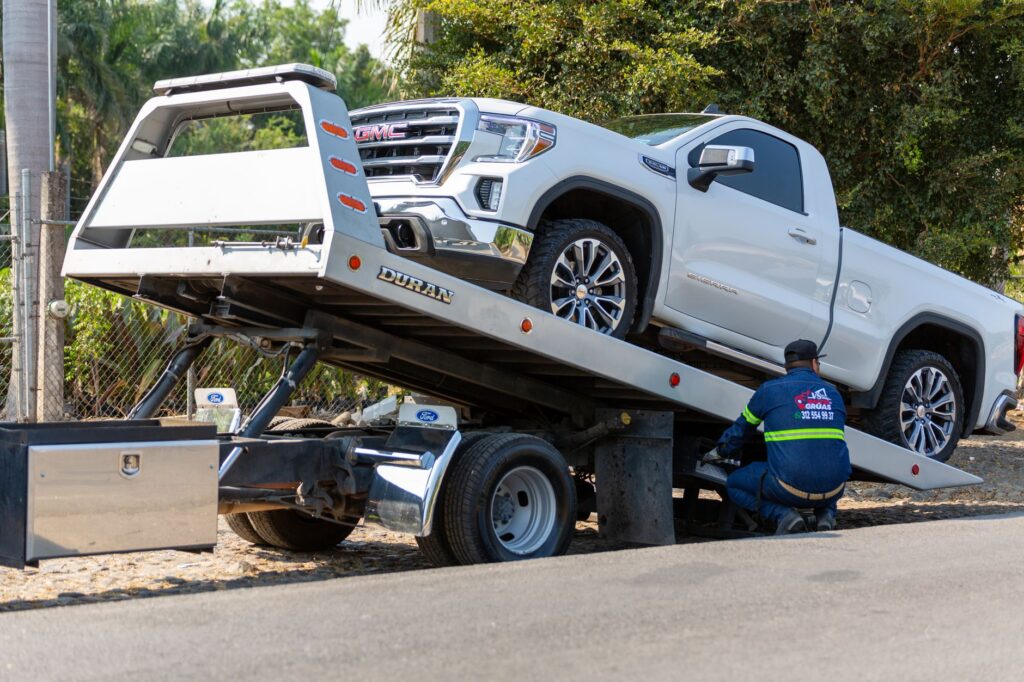
When it comes to selecting the right vehicle assistance coverage, understanding the nuances of insurance towing coverage is crucial. Different plans exist, and each offers varying benefits that can significantly impact your roadside experience. Most commonly, coverage options include basic towing services, roadside reimbursement, and comprehensive vehicle assistance coverage that may also encompass services like fuel delivery, lockout assistance, and flat tire changes.
Basic plans often provide limited towing distance, typically ranging from 5 to 15 miles, which may not suffice for those who frequently travel long distances. Comprehensive plans, while generally more expensive, offer unlimited towing mileage and additional services that can be a lifesaver in dire situations. It’s essential to evaluate how often you might need these services and whether the additional cost justifies the benefits.
Understanding Limitations and Exclusions in Insurance Towing Coverage
While the benefits of vehicle assistance coverage may seem appealing, it is critical to examine the limitations and exclusions outlined in the fine print. Many policies impose restrictions such as the types of vehicles covered, age limits for service, or even geographical limitations. For instance, some plans may exclude coverage for commercial vehicles or may not cover towing following an accident. Additionally, be aware that while tow truck insurance may cover damages incurred during the towing process, not all policies provide such comprehensive protection.
Reading the fine print can reveal hidden exclusions that may affect how much help you actually get when you’re in need. For example, if a plan stipulates that it only covers towing to the nearest repair shop, you might find yourself stranded if you prefer a different mechanic. Always clarify with your insurance provider to ensure you have a comprehensive understanding of your coverage.
Ultimately, evaluating various vehicle assistance coverage options is not merely about choosing the most comprehensive plan; it’s about selecting the right plan that aligns with your driving habits and budget. As the road ahead can often be unpredictable, having the right type of insurance towing coverage could make all the difference when you find yourself in a challenging situation.
Common Misconceptions About Insurance Towing Coverage
Debunking Myths Surrounding Insurance Towing Coverage
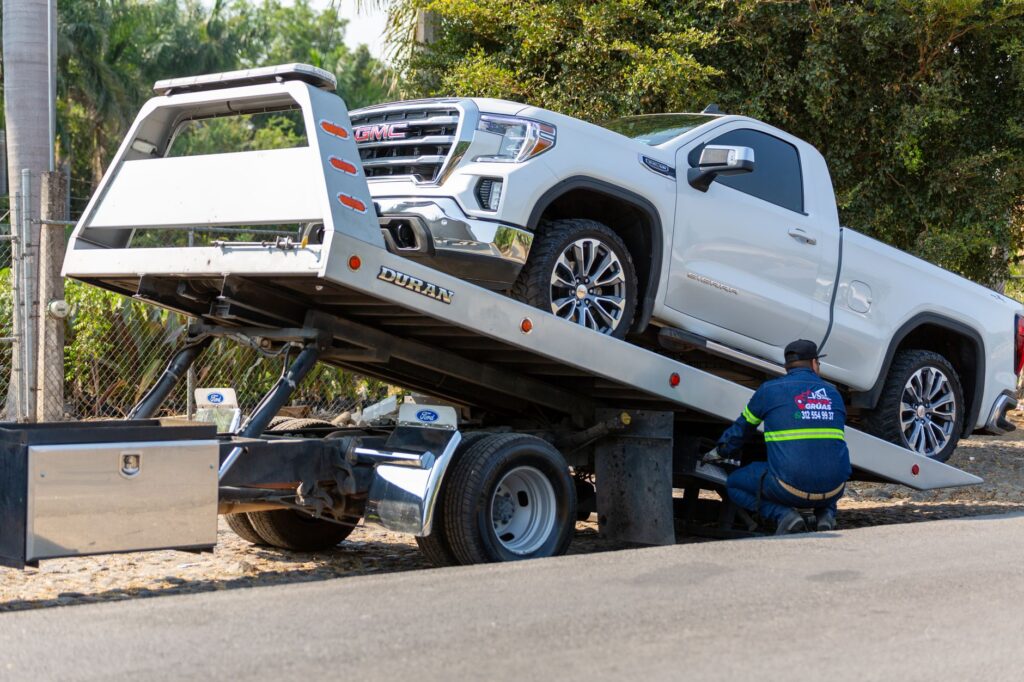
Insurance towing coverage is often shrouded in misunderstandings that can lead to inadequate protection when you need it most. A prevalent myth is that standard auto insurance automatically includes towing services. In reality, while some policies may offer basic vehicle assistance coverage, many do not cover the cost of towing unless specifically stated. It’s crucial to read the fine print of your policy or consult with your insurance agent.
Another common misconception is that roadside reimbursement is the same as towing coverage. Roadside reimbursement typically means you will pay upfront for towing and other services, then submit a claim for reimbursement. This can lead to out-of-pocket expenses, which can be burdensome if you’re not financially prepared. Understanding these distinctions helps ensure you’re not left stranded without adequate support when your vehicle fails.
Real-Life Scenarios Illustrating Misunderstandings
Consider a scenario where a driver experiences a breakdown on a remote highway. They assume they are covered for towing, only to find out that their policy includes no such coverage. This misjudgment could result in a costly tow, leaving them frustrated and financially strained. On the other hand, a driver with comprehensive insurance towing coverage calls for help, knowing they won’t incur significant out-of-pocket costs.
Similarly, think about a family on a road trip who encounters a flat tire. They believe that their vehicle assistance coverage includes free towing to the nearest repair shop. Unfortunately, they discover that their policy only covers towing in specific circumstances, such as an accident, and not for simple mechanical failures. This illustrates the importance of understanding the nuances of your policy, especially when traveling long distances.
Ultimately, recognizing the true nature of insurance towing coverage and how it differs from related services like tow truck insurance or roadside reimbursement can empower you to make better-informed decisions regarding your vehicle’s protection. Affordable Emergency Towing Services in Las Vegas
Making Informed Choices About Your Coverage
Assessing Your Needs for Insurance Towing Coverage
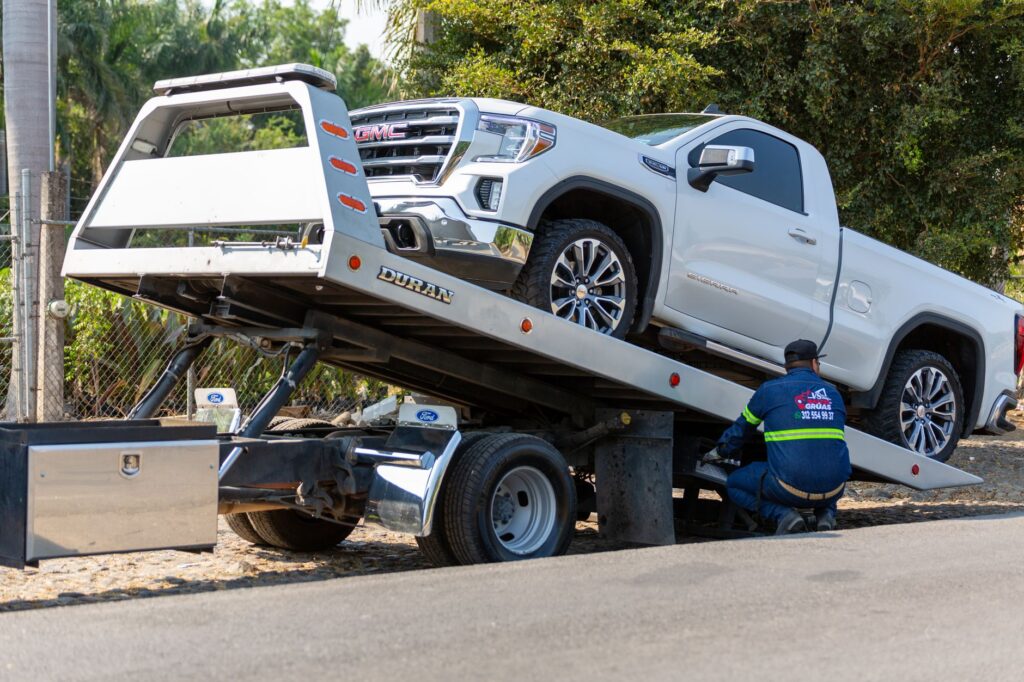
When considering insurance towing coverage, it is crucial to evaluate your specific needs as a driver. Not all towing situations are created equal, and understanding your driving habits can help you determine the right level of coverage. For instance, frequent long-distance travel may warrant more comprehensive vehicle assistance coverage, while occasional local driving might require a more basic plan. Knowing the potential costs associated with towing services can guide your decision-making. On average, towing fees can range from $75 to $125, depending on the distance and service provider. These figures highlight the importance of assessing your needs to avoid unexpected expenses when roadside assistance is required.
Consulting with Insurance Professionals
Engaging with insurance professionals can provide valuable insights into insurance towing coverage options tailored to your circumstances. They can help clarify the distinctions between various policies, such as roadside reimbursement and tow truck insurance. A knowledgeable agent will assess your driving patterns, vehicle usage, and even geographical factors that may influence your coverage. Additionally, they can explain the nuances of vehicle assistance coverage, helping you understand what is included in your policy and what might require additional protection.
Ultimately, making informed choices about your coverage is essential. It not only ensures peace of mind while on the road but also protects your financial interests in the event of an unforeseen breakdown or incident. By evaluating your needs and consulting with professionals, you can secure the right balance of coverage that aligns with your lifestyle and driving habits.

Understanding insurance towing coverage is essential for any driver looking to enhance their vehicle safety net. With the right policy, drivers can benefit from roadside reimbursement, ensuring they are financially supported when unexpected situations arise. Additionally, having suitable tow truck insurance can provide peace of mind, knowing that assistance is just a call away when your vehicle encounters issues on the road.
Choosing the right vehicle assistance coverage not only protects your finances but also ensures you are never left stranded. As you evaluate your insurance options, consider discussing your needs with an insurance agent who can tailor a policy that fits your lifestyle. Taking this proactive step can help you navigate emergencies with confidence, making your driving experience safer and more enjoyable.
“`html
What does insurance towing coverage typically include?
Insurance towing coverage typically includes the cost of towing your vehicle when it becomes disabled due to a breakdown, accident, or other incidents. This coverage often includes flatbed towing, roadside assistance services, and sometimes, the cost of labor for minor repairs at the scene. However, specifics can vary by policy, so it’s essential to review your insurance documents to understand the exact details and limits of your coverage.
Is roadside reimbursement the same as towing coverage?
No, roadside reimbursement is not the same as towing coverage. While towing coverage pays for the direct cost of towing your vehicle, roadside reimbursement offers a reimbursement for expenses you incur when you seek roadside help. This can include towing fees, fuel delivery, or lockout services, but you typically need to pay upfront and then submit a claim for reimbursement.
How do I know if I have tow truck insurance?
To determine if you have tow truck insurance, review your insurance policy documents or contact your insurance agent. Look for specific terms like “towing coverage” or “vehicle assistance” in your policy. If you are unsure, your agent can clarify what coverage is included and whether you need to add additional towing coverage to your existing plan.
What are the benefits of vehicle assistance coverage?
Vehicle assistance coverage provides peace of mind by ensuring that help is available when you experience a breakdown or other roadside emergencies. Benefits include towing services, battery jump-starts, tire changes, fuel delivery, and lockout assistance. This coverage helps reduce the stress of unexpected situations and can save you money on potential out-of-pocket costs for these services.
Are there limits to towing coverage in insurance policies?
Yes, there are often limits to towing coverage in insurance policies. Many policies specify a maximum distance for towing, such as up to a certain number of miles, and may have a cap on the amount reimbursed for towing services. It is crucial to check your specific policy details to understand any restrictions or limitations that may apply to your towing coverage.
Can I add towing coverage to my existing insurance plan?
Yes, you can typically add towing coverage to your existing insurance plan. Most insurance companies offer options for customizing your policy, including adding roadside assistance or towing coverage. It is advisable to discuss your needs with your insurance agent, who can guide you through the process and help you choose the best options for your situation.
“`