
The Las Vegas impound lot system can be a daunting experience for anyone who finds themselves needing to retrieve their vehicle. Understanding the intricacies of the vehicle release process is crucial to getting your car back promptly and efficiently. This article will guide you through the essential steps to navigate the complexities of the Las Vegas impound lot, including an overview of the vehicle release process, potential impound fees, and common challenges you may encounter. We will also provide valuable tips for quick and efficient car retrieval, helping you avoid unnecessary delays. Whether your vehicle was towed due to parking violations or other reasons, being informed is your best strategy for a smooth towing recovery. To learn more about local towing regulations, visit Las Vegas City Government. By the end of this guide, you will be equipped with the knowledge needed to reclaim your vehicle with minimal hassle.
Understanding the Las Vegas Impound Lot System
When navigating the bustling streets of Las Vegas, it’s easy to overlook parking regulations, leading to the unfortunate consequence of having your vehicle towed. The Las Vegas impound lot serves as a pivotal hub for vehicle retrieval, but understanding its system is essential for a quick recovery. My opinion is that being informed about the common reasons vehicles end up in the impound lot, as well as the vehicle release process, can save you time, money, and frustration.
What Happens When Your Vehicle is Towed?
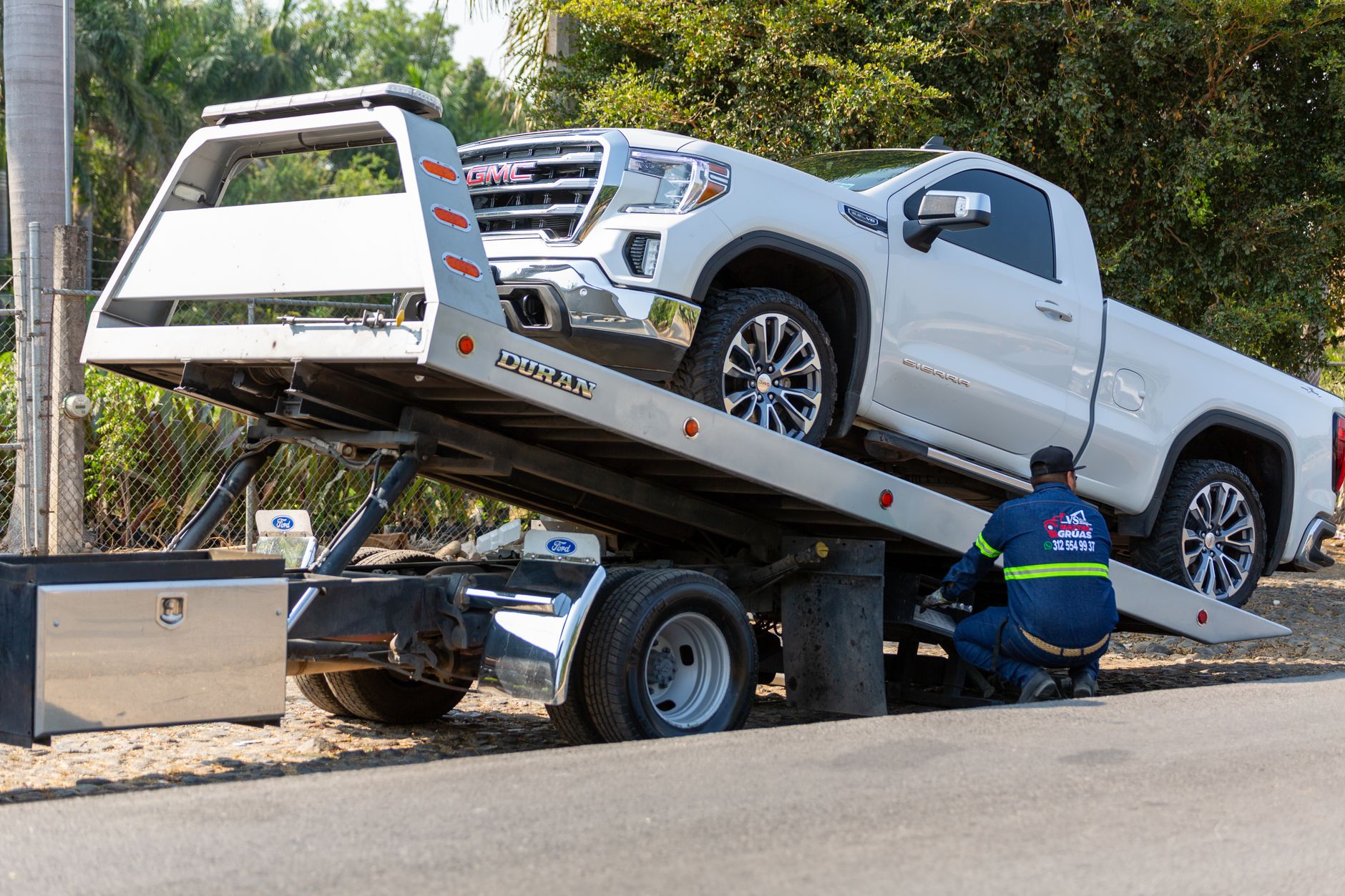
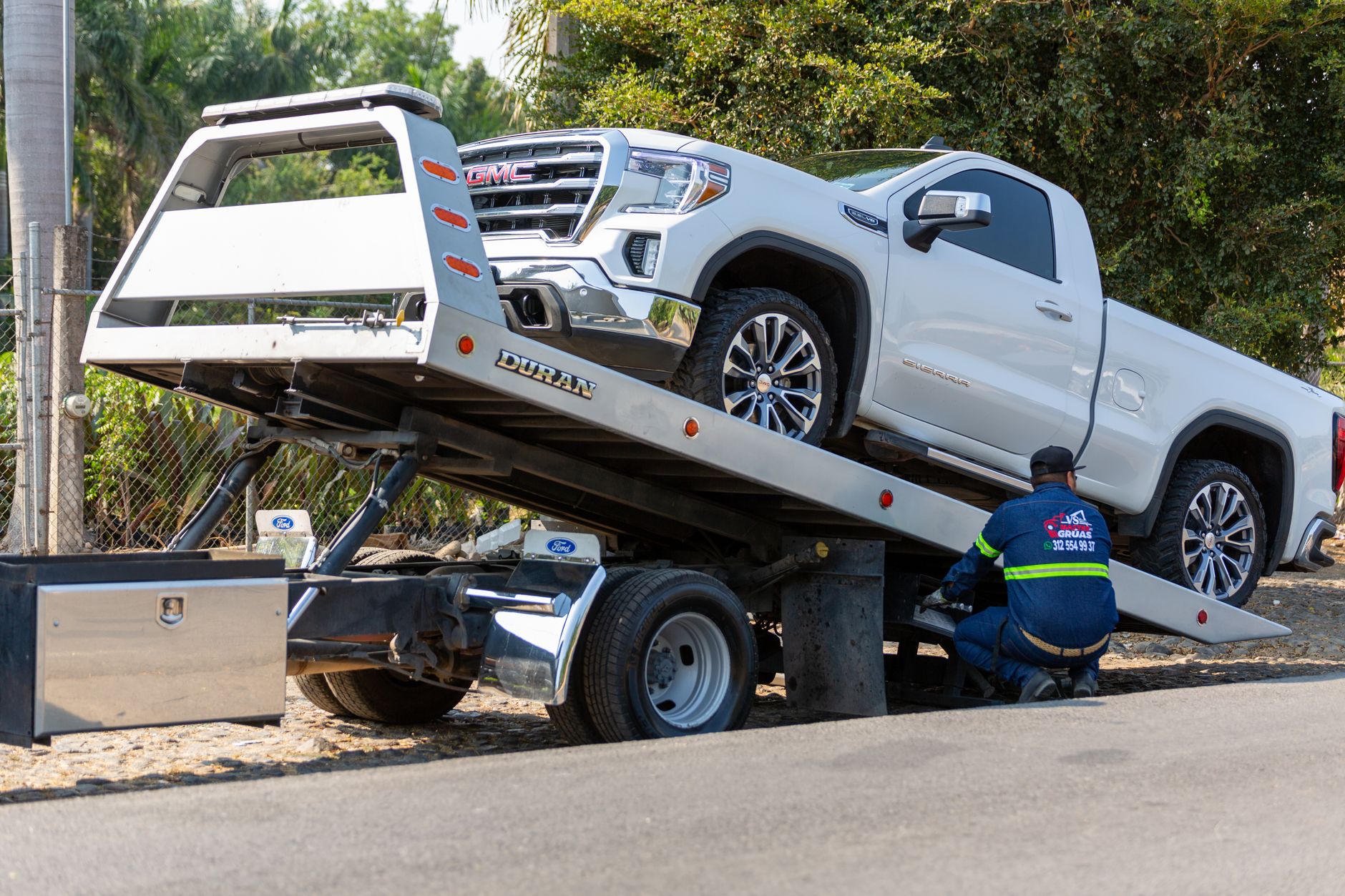
In Las Vegas, common reasons for towing include illegal parking, expired registration, or being involved in an accident. For instance, parking in a no-parking zone or in front of a fire hydrant can result in immediate towing. Additionally, if your vehicle registration is expired, law enforcement may tow your car as a precautionary measure. Once towed, your vehicle is taken to the Las Vegas impound lot, where it awaits retrieval.
It’s crucial to act promptly once you realize your vehicle has been towed. The longer you wait, the more you may incur impound fees, which can accumulate daily. Knowing precisely where your vehicle is located and the reasons for its towing can help you expedite the towing recovery process.
The Importance of Knowing the Vehicle Release Process
Successfully retrieving your vehicle from the Las Vegas impound lot requires an understanding of the vehicle release process. First, you need to gather necessary documentation, such as your driver’s license, proof of ownership, and insurance information. Once you have these documents, you can visit the impound lot or check online for your vehicle’s status.
Upon arrival, you will need to pay any outstanding impound fees before your vehicle will be released. These fees can vary depending on the circumstances of the towing and the duration your vehicle has been in the lot. It’s advisable to have a clear understanding of these fees beforehand to avoid surprises during the car retrieval process.
While the experience of retrieving a vehicle from the Las Vegas impound lot can be daunting, being informed and prepared can significantly streamline the process. Understanding the reasons your vehicle might be towed and the steps needed for a successful retrieval can help you reclaim your car with minimal hassle.

Navigating the Vehicle Release Process at the Las Vegas Impound Lot
Retrieving your vehicle from the las vegas impound lot can be a daunting experience, especially if you are unfamiliar with the vehicle release process. However, with a clear understanding of the steps involved, you can streamline your car retrieval and minimize stress. This opinion piece aims to clarify the necessary actions and documentation required to reclaim your vehicle while shedding light on associated impound fees and potential additional charges.
Steps for Effective Car Retrieval at the Las Vegas Impound Lot
The first step in the car retrieval process is to locate the specific impound lot where your vehicle has been taken. This information is typically available through the local police department or online. Once you arrive at the las vegas impound lot, you must present valid identification and proof of ownership, such as your vehicle registration or title.
After confirming your identity, you will need to fill out a vehicle release form, which is usually available at the lot. It is crucial to ensure that all information on the form is accurate, as any discrepancies could delay the process. Once your form is processed, you will be informed about the impound fees that apply. These fees can vary based on the duration of the impoundment and may include daily storage fees, administrative costs, and towing charges. Be prepared for potential additional charges that could arise, particularly if your vehicle was towed due to violations that necessitate further legal action.
Documentation and Fees Involved
Documentation is a critical component of the vehicle release process. In addition to your ID and proof of ownership, you may also need to present a valid driver’s license and, in some cases, proof of insurance. It is advisable to check in advance with the las vegas impound lot regarding what specific documents are required to avoid any unnecessary delays.
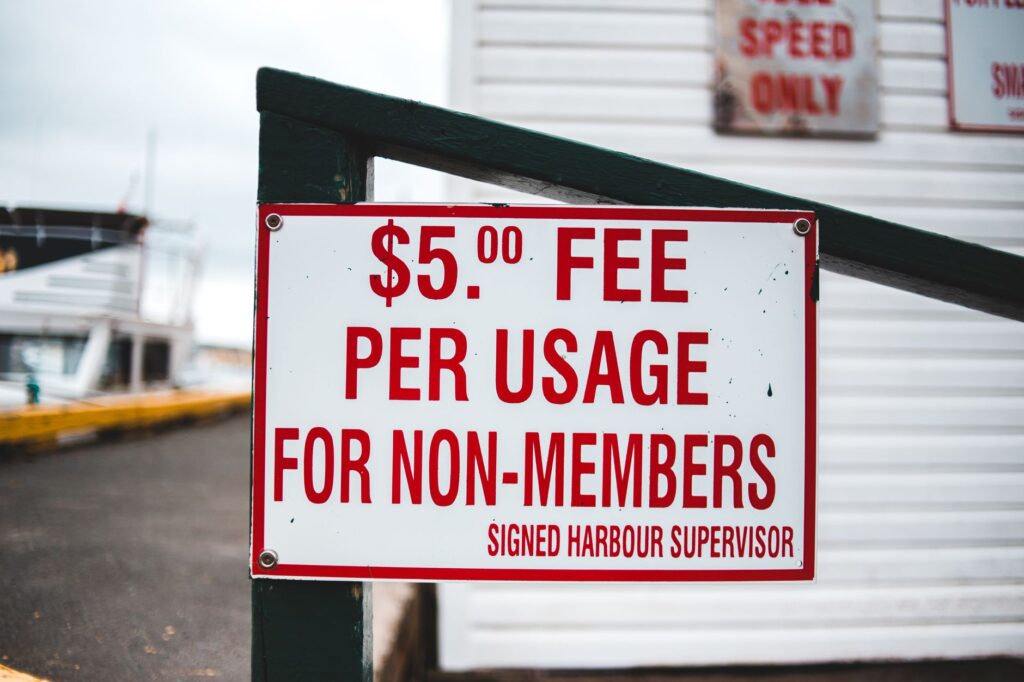
As for impound fees, the total cost can add up quickly. According to the City of Las Vegas, towing recovery fees can be substantial, often starting around $200, depending on the vehicle’s size and the circumstances of the tow. Storage fees typically range from $20 to $50 per day, escalating the longer you wait to retrieve your car. Understanding these fees in advance will help you budget accordingly and avoid surprises when you finally reclaim your vehicle. What Happens After Your Car Is Towed in Las Vegas?
while the vehicle release process at the Las Vegas impound lot may seem overwhelming, being informed about the necessary steps, documentation, and potential fees can significantly ease the burden. Prior preparation can lead to a faster, more efficient car retrieval experience, allowing you to get back on the road sooner rather than later.

Common Challenges Faced at the Las Vegas Impound Lot
When you find yourself needing to retrieve your vehicle from the Las Vegas impound lot, it’s essential to be prepared for potential challenges. Navigating the vehicle release process can often feel like a daunting task, marked by delays and unexpected complications. Understanding these challenges is crucial for a smoother experience.
Delays and Complications in Towing Recovery
One of the most common issues individuals face at the Las Vegas impound lot is long wait times. The sheer volume of vehicles being processed can lead to significant delays in car retrieval. According to local reports, patrons have experienced lines lasting well over an hour, particularly during peak hours. Such delays can be frustrating, especially when you are already stressed about having your vehicle towed.
Complications can also arise concerning impound fees. Disputes over charges may occur if individuals feel that the fees are unjustified or if they believe their vehicle was improperly towed. It’s essential to familiarize yourself with local towing ordinances and the standard fees associated with the impound process, as outlined by the City of Las Vegas. Knowledge of these regulations can potentially save you from unnecessary financial burdens.
What to Do If You Encounter Issues at the Las Vegas Impound Lot
If you find yourself facing complications during your visit, the first step is to remain calm and composed. Clearly communicate your concerns to the staff on duty, who are generally trained to assist in resolving disputes. Always bring along any documentation that supports your claim, such as ticket receipts or photographs of your vehicle’s condition. If your issues are not addressed satisfactorily, consider escalating the matter to a supervisor.
In cases where disputes over impound fees arise, it may be beneficial to reach out to the local authorities or a towing complaint hotline. Keeping records of all interactions will also help support your case if further action is necessary. Remember, being informed about the towing recovery process will empower you to advocate for your rights effectively.
While challenges at the Las Vegas impound lot are not uncommon, understanding what to expect can make the experience less daunting. With the right preparation and approach, you can navigate the complexities of the vehicle release process and reclaim your vehicle more efficiently.
Tips for Quick and Efficient Car Retrieval
Retrieving your vehicle from a las vegas impound lot can be a daunting experience, especially when time is of the essence. However, by preparing effectively and staying informed, you can significantly expedite the vehicle release process. Here are some practical tips to help you navigate this often stressful situation with ease.
Preparing for the Impound Lot Visit
Before heading to the impound lot, it is crucial to gather all necessary paperwork. Typically, you will need:
- Your driver’s license
- The vehicle registration
- Proof of insurance
- Payment method for impound fees
To avoid unnecessary delays, call the impound lot ahead of your visit to confirm your vehicle’s status. This will ensure that your car is indeed available for retrieval and that you have all required documentation. Additionally, inquire about the specific impound fees associated with your vehicle. Fees can vary widely based on factors such as the duration of impoundment and any outstanding fines. Being aware of these costs beforehand will help you prepare financially for the towing recovery.
Staying Informed About Impound Fees
Knowledge is power, especially regarding the vehicle release process. In Las Vegas, impound fees can accumulate daily, so it is wise to retrieve your vehicle as soon as possible. Many impound lots provide online resources where you can check your vehicle’s status and associated costs. Additionally, some lots may offer payment plans for larger fees, so don’t hesitate to ask about your options.
Being proactive and organized can make a significant difference in how quickly you can achieve car retrieval from a las vegas impound lot. By preparing your documents and staying informed about impound fees, you can navigate the process with confidence and minimize potential frustrations.

Retrieving your vehicle from a las vegas impound lot can seem daunting, but understanding the vehicle release process simplifies it significantly. By being prepared with the necessary documentation and understanding the impound fees involved, you can expedite your towing recovery and ensure a smooth car retrieval. Familiarize yourself with the specific requirements of the impound lot where your vehicle is located to avoid any surprises.
Taking prompt action is crucial when it comes to reclaiming your vehicle. The sooner you initiate the vehicle release process, the less you may have to pay in impound fees. If you find yourself in this situation, gather your documents and head to the las vegas impound lot as soon as possible to streamline your car retrieval experience.
“`html
How do I find my car in the Las Vegas impound lot?
To locate your car in the Las Vegas impound lot, you can start by contacting the local towing authority or the impound lot directly. They will require details such as your vehicle’s make, model, and license plate number. Additionally, you can visit the city’s website, where there may be an online search tool for impounded vehicles. Make sure to have your identification and any relevant documents ready when you inquire.
What are the typical impound fees in Las Vegas?
In Las Vegas, impound fees can vary based on several factors, including the type of vehicle and the reason for towing. Generally, you can expect to pay a base fee for the tow itself, as well as daily storage fees that accumulate while your vehicle is in the lot. It is advisable to check the official Las Vegas city website for the most current fee schedule to avoid any surprises during the vehicle release process.
What documents do I need for vehicle release in Las Vegas?
To retrieve your vehicle from the Las Vegas impound lot, you’ll typically need a valid photo ID, proof of ownership such as your vehicle registration, and any relevant insurance documents. If someone else is picking up the vehicle on your behalf, they will need a notarized letter of authorization from you along with their ID. Having all necessary paperwork can help expedite the vehicle release process.
How long does the towing recovery process take?
The towing recovery process can vary in duration depending on several factors, including the time of day, the specific impound lot’s policies, and the availability of staff. Generally, once you arrive at the Las Vegas impound lot with the required documents, the actual retrieval process can take anywhere from 30 minutes to a couple of hours. It’s advisable to contact the impound lot ahead of time to get an estimate based on current conditions.
Can I negotiate my impound fees in Las Vegas?
Negotiating impound fees in Las Vegas can be challenging, as these fees are often set by municipal regulations. However, if you believe there are extenuating circumstances surrounding the towing of your vehicle, you can discuss this with the impound lot staff. They may offer some flexibility, particularly if you can provide documentation or evidence supporting your case. Always remain polite and respectful during these discussions.
What should I do if my car was towed without notice?
If your car was towed without notice, the first step is to contact the local towing authority or the Las Vegas impound lot. They can provide information on why your vehicle was towed and direct you to the appropriate steps for recovery. It’s also advisable to document the situation, including any signage or lack thereof in the area where your vehicle was parked, as this may be helpful if you choose to contest the tow.
“`