
Understanding why cars get towed in Las Vegas is essential for vehicle owners navigating the city’s bustling streets. With a high volume of tourists and residents alike, the regulations surrounding parking violations can be complex and often lead to unexpected vehicle removal. This article delves into the common reasons for impound towing in Las Vegas, shedding light on how parking infractions, street cleaning schedules, and other factors contribute to this practice. Additionally, we will explore the intricacies of local towing laws, which govern the towing process, ensuring that both vehicle owners and towing companies operate within legal boundaries. Furthermore, there are cases where towing may seem unjustified, prompting discussions about the fairness of certain towing decisions. Finally, we will provide practical tips for preventing your vehicle from being towed, allowing you to enjoy all that Las Vegas has to offer without the stress of impound towing. Understanding these elements will empower you to make informed decisions regarding your vehicle and parking choices.
Understanding Why Cars Get Towed in Las Vegas
Las Vegas is a city known for its vibrant nightlife and bustling tourism, but this excitement often leads to parking chaos. Understanding why cars get towed is crucial for both residents and visitors looking to avoid the frustration and costs associated with impound towing. The primary reasons for vehicle removal often stem from common parking violations, which can significantly impact your experience in the city.
Common Parking Violations Leading to Tows
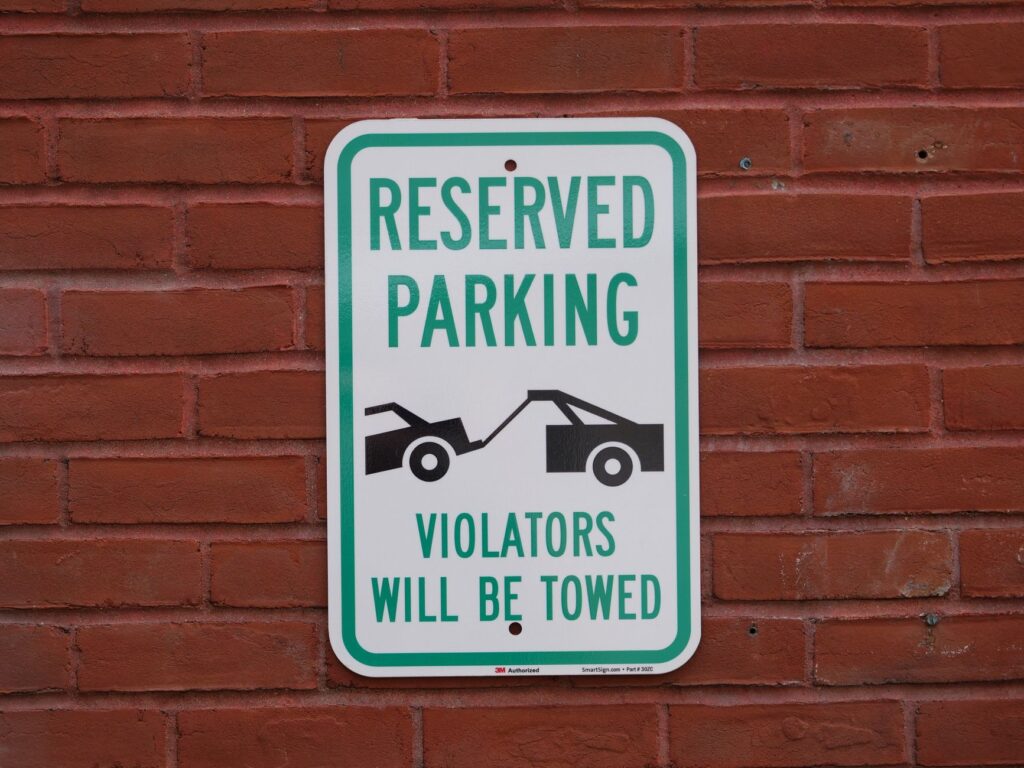
Parking violations are the leading cause of vehicle removal in Las Vegas, primarily due to unauthorized parking in restricted areas. For instance, parking in a space designated for the disabled without a proper permit can lead to immediate towing. Similarly, vehicles with expired tags are often targeted, as they violate local regulations meant to keep the streets safe and orderly. Another common issue is blocking driveways, which not only inconveniences homeowners but can also lead to towing under city ordinances.
The Role of Towing Laws in Vehicle Removal
Towing laws in Las Vegas play a significant role in the enforcement of these parking regulations. Local municipalities have established guidelines that dictate when and how vehicles can be towed. For example, property owners are often authorized to call for towing if someone parks without permission, which underscores the importance of understanding local rules. Vehicle owners may feel that these laws are overly strict, but they are designed to maintain order in a city that can become quite chaotic. Ignorance of these laws does not protect one from the consequences of parking violations, and being aware of them can save both time and money.
Ultimately, knowing why cars get towed can help drivers navigate the streets of Las Vegas more effectively. By adhering to parking regulations and understanding local towing laws, individuals can avoid the costly and inconvenient experience of having their vehicles impounded.
Parking Violations and Their Impact on Towing
Understanding why cars get towed in Las Vegas often boils down to a few key parking violations. Among these, expired registration and parking in restricted areas are common triggers for vehicle removal. Both instances not only lead to impound towing but can also create significant financial burdens for vehicle owners.
Expired Registration and Its Consequences
Driving a car with expired registration is a prevalent issue that many overlook. In Las Vegas, the penalties for this violation can be steep. Not only are fines imposed, but vehicles displaying expired tags can be towed at the owner’s expense. The costs associated with impound towing can range from $200 to $600, depending on the towing company and duration of the impoundment. Furthermore, if the vehicle is not retrieved promptly, daily storage fees can accumulate, exacerbating the already hefty financial implications.
Parking in Restricted Areas: A Major Offense
Another significant reason why cars get towed is parking in restricted areas. This includes fire lanes, loading zones, and private property without permission. Parking in these zones is not only against towing laws but also poses safety risks. Fire lanes, for example, are crucial for emergency access, and blocking them can endanger lives. Violators may face fines as well as the inconvenience of vehicle removal, which can be especially distressing if it occurs during an event or busy time.
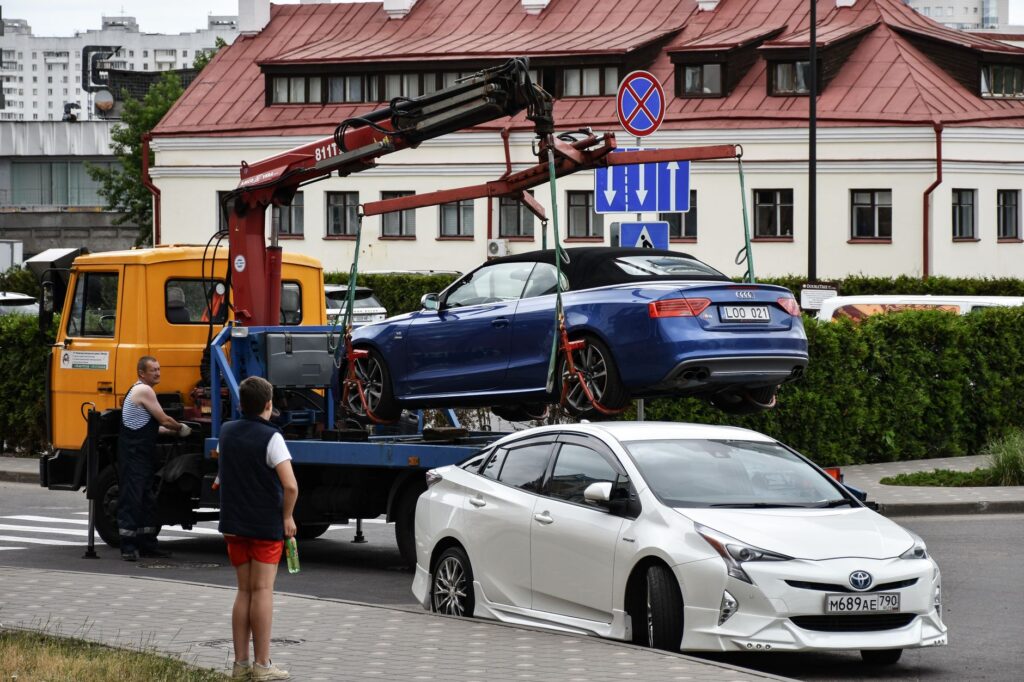
While some may argue that the penalties for parking violations are too harsh, the reality is that they serve a necessary purpose. They maintain order and safety in public spaces. Vehicle owners must be aware of their surroundings and the rules that govern parking to avoid the costly consequences of towing. Awareness and adherence to parking regulations can save drivers both time and money, ensuring that they keep their vehicles where they belong.
Understanding Impound Towing in Las Vegas
When and Why Vehicles Are Impounded
Impound towing is a significant concern for vehicle owners in Las Vegas, often stemming from various circumstances that lead to the removal of cars. One major reason why cars get towed is the occurrence of repeated parking violations. Vehicles parked in restricted areas, such as fire lanes or on private property without permission, are prime candidates for towing. Additionally, abandoned vehicles, those that remain unmoved for an extended period, can be subject to impound towing as authorities seek to maintain public safety and order.
According to Las Vegas City Officials, vehicles can also be impounded for more serious infractions, such as operating without a valid registration or being deemed unsafe for road use. Understanding these grounds for towing is crucial for vehicle owners to avoid unnecessary expenses and complications.
The Process of Vehicle Removal and Recovery
The process of vehicle removal and recovery in Las Vegas can be daunting for many. Once a car is towed, the owner must navigate through specific towing laws and regulations to retrieve their vehicle. Typically, the first step involves locating the towing company responsible for the vehicle removal, which can often be found through the city’s local enforcement agency.
After contacting the towing company, vehicle owners must provide necessary documentation, including proof of ownership and identification. Additionally, they should be prepared to pay various fees, which can include towing charges, storage fees, and administrative costs. Understanding these steps is essential for anyone wanting to avoid the pitfalls associated with impound towing.
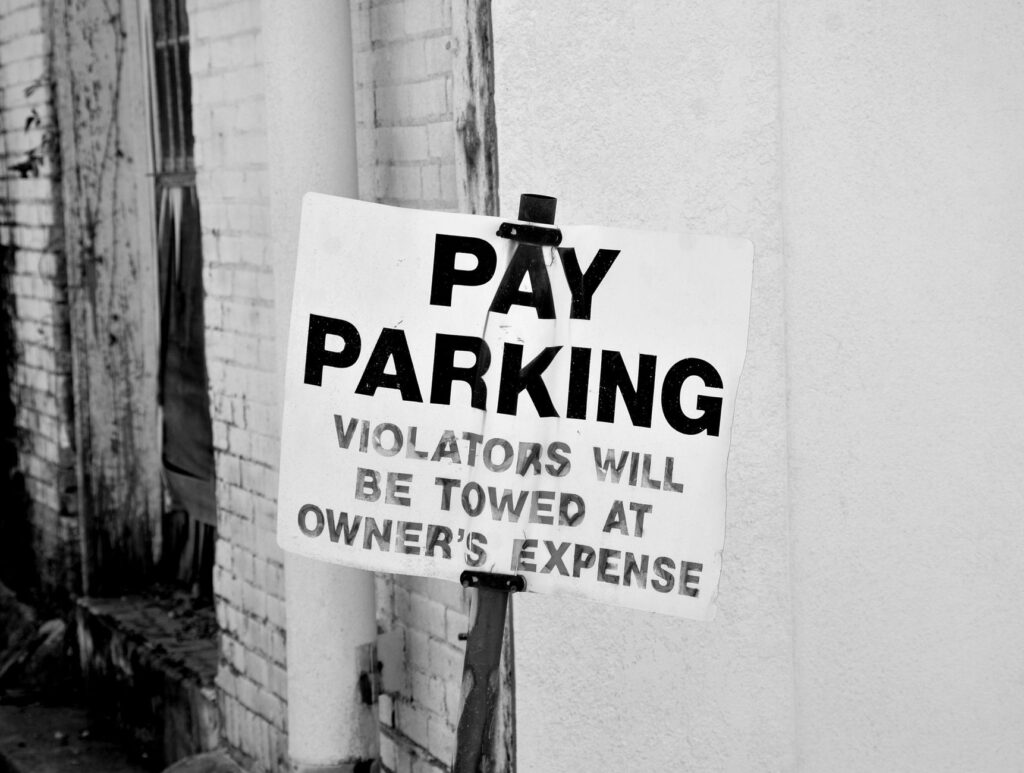
being aware of the circumstances that lead to impound towing can help vehicle owners navigate the complexities of vehicle recovery more effectively. The financial and emotional burden of losing a car to towing can be mitigated by understanding the common reasons why cars get towed and adhering to local parking regulations.
Navigating Towing Laws in Las Vegas
Understanding the intricacies of why cars get towed in Las Vegas is crucial for vehicle owners. The city has specific towing laws that outline the rights of vehicle owners and the obligations of towing companies. A thorough grasp of these regulations can help mitigate the frustration of unexpected vehicle removal.
Local Regulations on Towing Practices
In Las Vegas, towing laws are designed to protect both vehicle owners and towing companies. Towing companies must post clear signage indicating the towing policy, including fees and contact information. According to local regulations, a vehicle can only be towed if it is parked in violation of posted rules, such as unauthorized parking in private lots or failure to pay parking fees. Additionally, the towing company is required to wait a specified period before initiating impound towing to provide the owner an opportunity to remove the vehicle.
Your Rights as a Vehicle Owner: Understanding Why Cars Get Towed
As a vehicle owner, you have rights when it comes to vehicle removal. If your car has been towed, you are entitled to receive information about the towing company and the location of your vehicle. Moreover, if you believe your vehicle was towed unlawfully, you can file a complaint with the Nevada Department of Business and Industry. It is essential to keep any evidence, such as photographs of signage, to support your case. Understanding these rights can empower you to contest towing charges effectively.
In a city known for its bustling activity, parking violations can happen to anyone. Being informed about your rights and the towing laws can save you time, money, and stress. The next time you park, knowing the local regulations could make all the difference in avoiding the costly experience of impound towing.
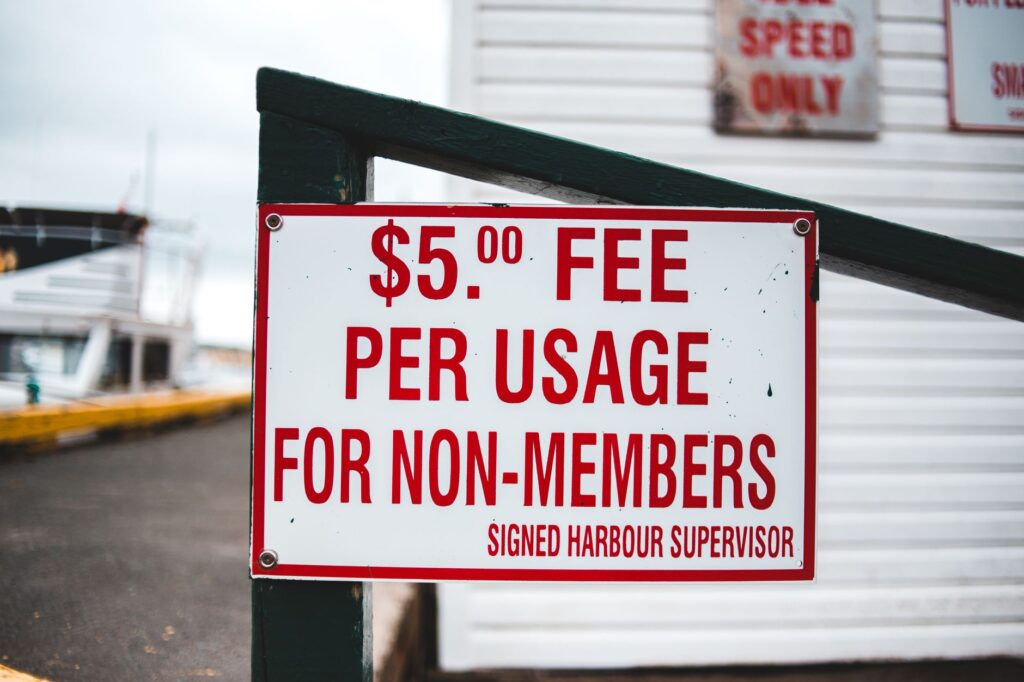
Counterpoints: When Towing Is Unjustified
Cases of Miscommunication and Errors: Understanding Why Cars Get Towed
While towing is often justified due to parking violations, there are numerous instances where it can be perceived as unfair. Miscommunication between property owners and towing companies frequently leads to unjust vehicle removal. For example, a property owner may mistakenly request the towing of a vehicle parked in a valid space, or a tenant may not be informed of updated towing policies. These errors not only inconvenience vehicle owners but can also create financial burdens through impound towing fees.
Moreover, some towing companies may prioritize profit over ethical considerations. This can result in aggressive towing practices that target vehicles even when the circumstances surrounding their parking are ambiguous. For instance, in certain neighborhoods, signs may be unclear or poorly placed, leaving drivers unaware of potential violations. Such practices undermine the purpose of towing laws, which are meant to maintain order and safety rather than serve as a revenue stream for towing companies.
Understanding Towing Company Practices
Ethical towing practices should consider the broader context of vehicle removal. Many towing companies operate under strict regulations; however, the implementation of these rules can vary significantly. Ethical concerns arise when companies fail to communicate effectively with drivers or property owners regarding towing policies. The sudden loss of a vehicle can be distressing, especially if the owner was unaware of any infractions that could lead to towing.
Ultimately, understanding why cars get towed involves acknowledging the nuances of towing practices and the potential for unjust actions. Striking a balance between enforcing parking regulations and ensuring fair treatment of vehicle owners is crucial in fostering trust within the community. 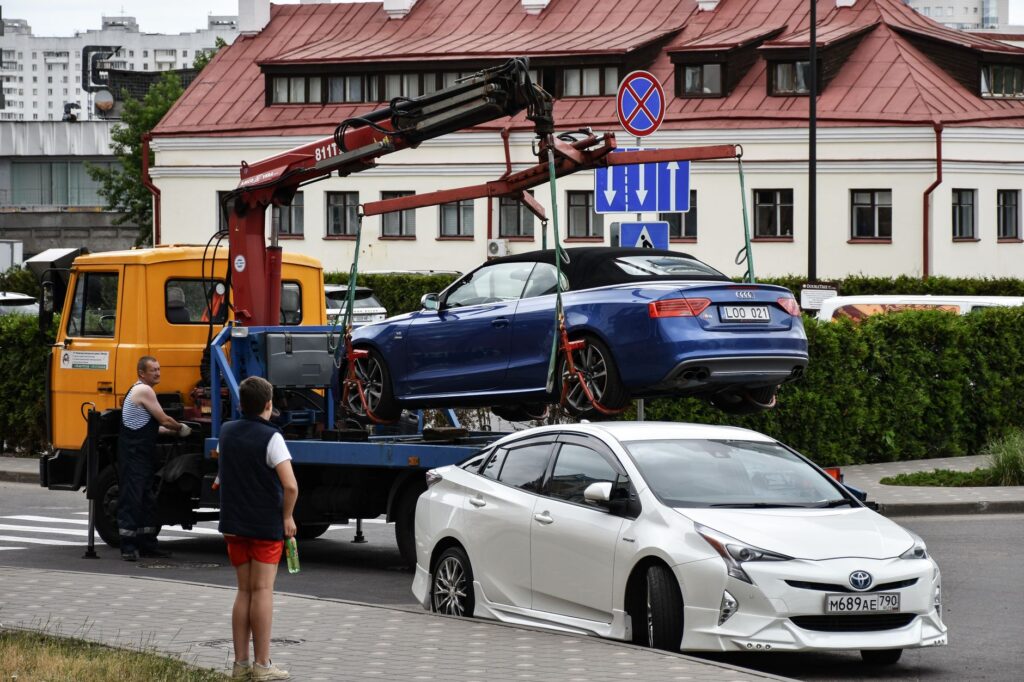
Conclusion: Preventing Your Vehicle from Being Towed
Understanding why cars get towed in Las Vegas is crucial for any vehicle owner. The reasons range from simple parking violations to more complex issues regarding towing laws. To prevent the hassle and expense of impound towing, it’s essential to be proactive in understanding local regulations and signage. Here are some actionable strategies to keep your vehicle safe from removal:
- Know the Rules: Familiarize yourself with local parking regulations. Las Vegas has specific laws regarding where you can and cannot park. Ignorance is not an excuse, and local authorities strictly enforce these laws.
- Read Signs Carefully: Always check for posted signs indicating parking restrictions. Look for time limits, permit requirements, and any special rules applicable to specific areas.
- Utilize Designated Areas: Make use of designated parking areas. Parking in a private lot without permission can lead to immediate vehicle removal.
- Stay Informed: Regularly review updates on towing laws. Regulations can change, and being informed will help you avoid unintentional violations.
While it’s easy to assume that a brief stop won’t lead to towing, the reality is that many vehicle owners find themselves surprised by the strict enforcement of parking violations. By taking a few moments to understand why cars get towed, you can save yourself time, money, and the headache of dealing with impound towing. Make it a habit to check your parking situation regularly and always be aware of local laws to keep your vehicle safe.

Understanding why cars get towed in Las Vegas is essential for vehicle owners to avoid unexpected fines and the hassle of impound towing. Common reasons often stem from parking violations, such as parking in a designated no-parking zone or exceeding time limits in metered spaces. Familiarizing yourself with local towing laws can help you navigate these regulations more effectively and prevent costly vehicle removal.
If you find yourself in a situation where your vehicle has been towed, it’s crucial to know your rights and the process for retrieving your car. Be proactive in learning about local impound towing procedures and ensure you have the necessary documentation ready for a smooth recovery. By staying informed, you can significantly reduce the chances of facing towing issues in the future.
“`html
What are the most common reasons vehicles get towed?
Vehicles in Las Vegas are commonly towed for several reasons, including parking violations, being parked in a fire lane, or blocking driveways. Additionally, cars may be towed for expired registration, abandoned vehicles, or if the owner is found to be driving under the influence. Understanding these reasons can help you avoid situations where your car might be towed, which is a frequent concern for many drivers.
How can I find out if my car has been towed?
To find out if your vehicle has been towed in Las Vegas, you can contact the local police department or the towing company directly. Local law enforcement usually has a list of recently towed vehicles. Additionally, many towing companies have online databases where you can search for your vehicle by license plate number. This process can help you quickly locate your car and find out where it has been taken.
What should I do if my vehicle is towed?
If your vehicle has been towed, the first step is to confirm its location. Once you know where it is, contact the towing company to inquire about the necessary steps for retrieval. Be prepared to provide identification and proof of ownership. Depending on the circumstances, you may need to pay impound towing fees before you can retrieve your vehicle. It’s essential to act quickly to avoid additional charges.
Are there fees associated with vehicle impound towing?
Yes, there are typically fees associated with vehicle impound towing in Las Vegas. These fees can vary based on the towing company and the specific circumstances of the tow. Common charges include towing fees, daily storage fees, and administrative fees. It’s important to ask the towing company for a detailed breakdown of all charges so you can understand the total cost to retrieve your vehicle.
What are my rights if my car is towed incorrectly?
If you believe your car has been towed incorrectly, you have the right to contest the towing. Gather evidence, such as photographs or witness statements, that supports your claim. You can file a complaint with the local authorities or the towing company. Additionally, you may be entitled to a hearing to dispute the towing charges. Knowing your rights can help you navigate this situation effectively.
How do towing laws differ in Las Vegas compared to other cities?
Towing laws can vary significantly from city to city. In Las Vegas, specific regulations govern the towing of vehicles, including signage requirements and the process for notifying vehicle owners. Other cities may have different rules regarding impound towing and vehicle removal, such as stricter guidelines on the circumstances under which a vehicle can be towed. Familiarizing yourself with local towing laws is essential to understanding why cars get towed and how to avoid potential issues.
“`