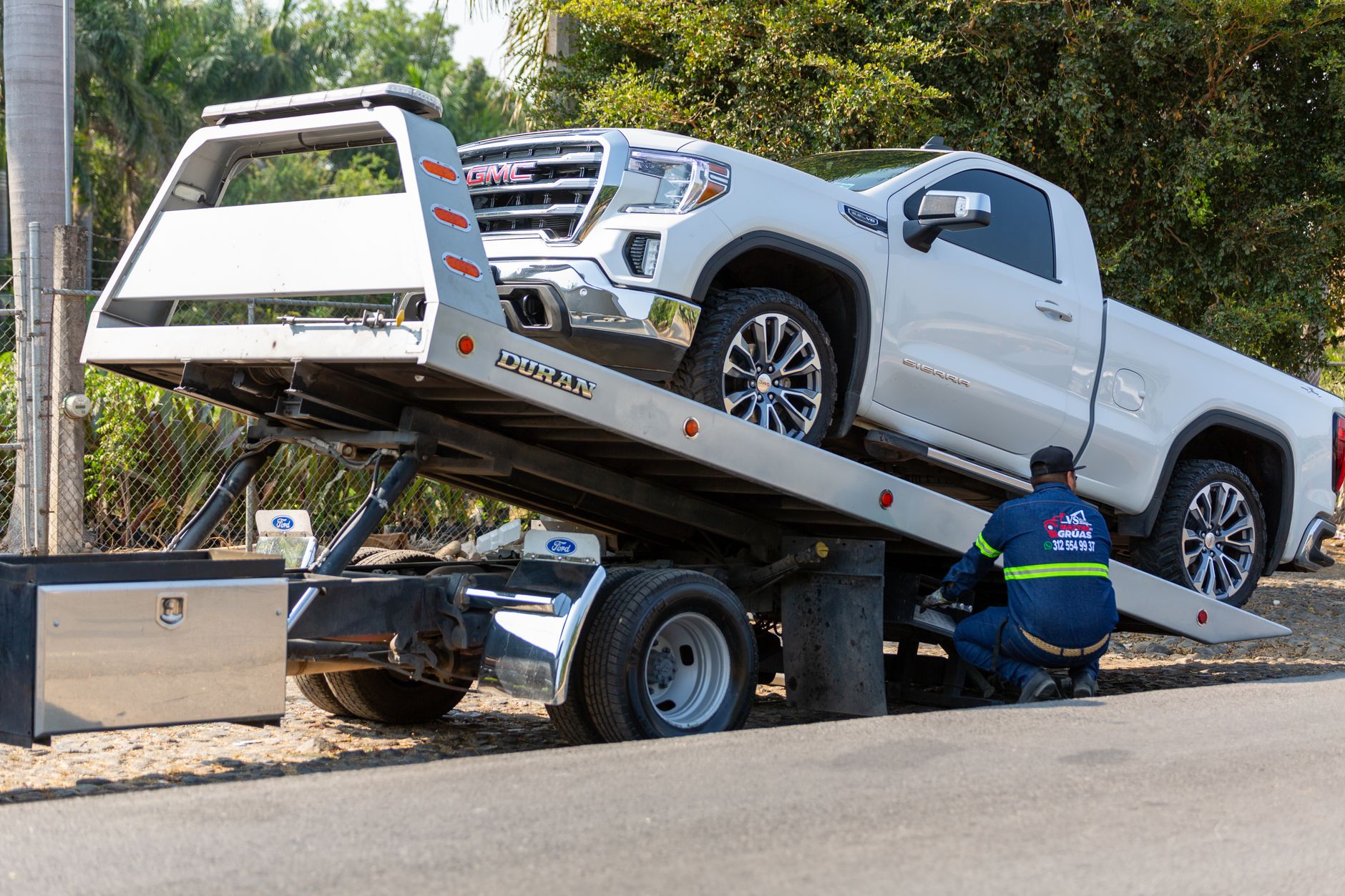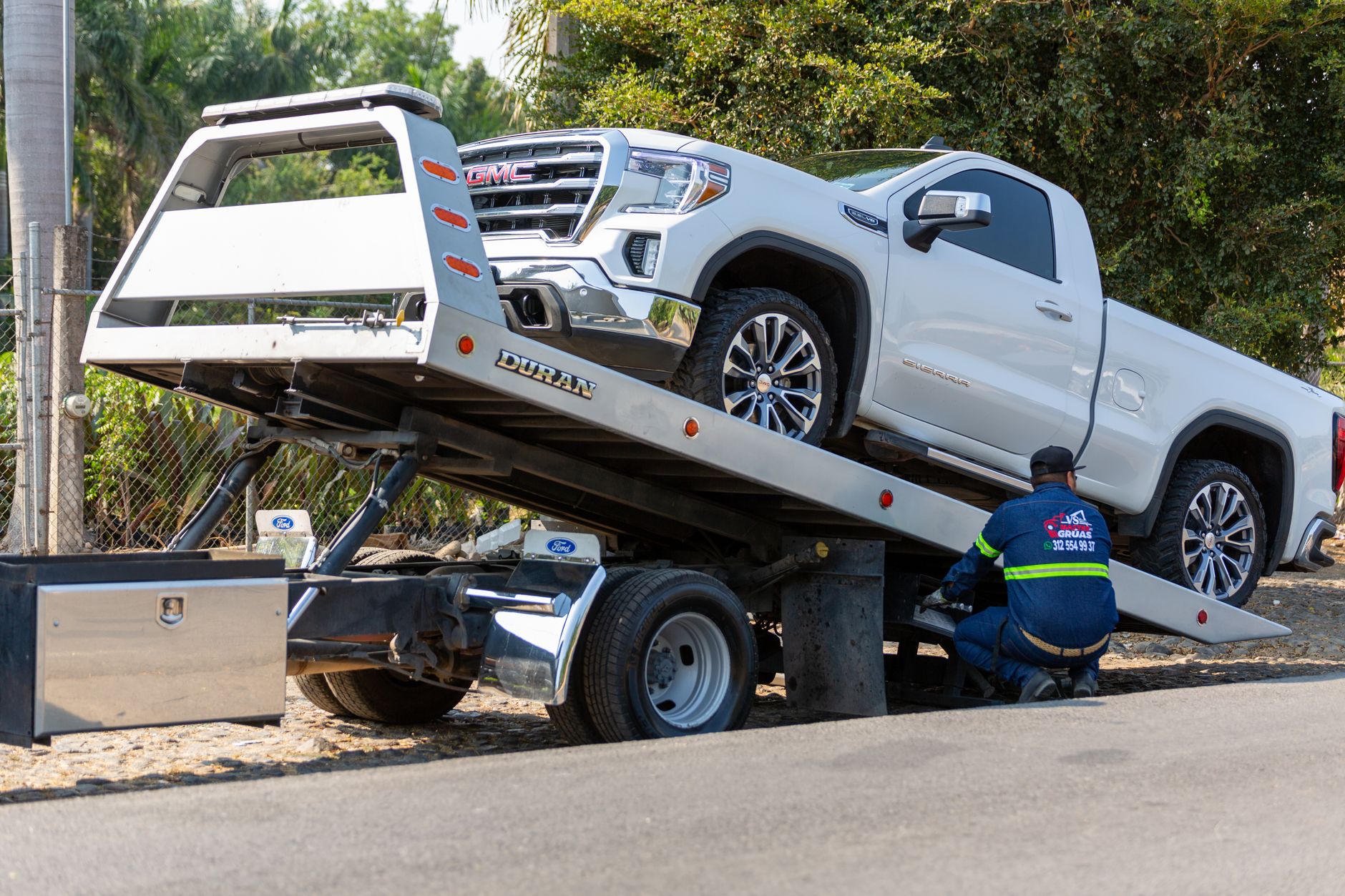
To prepare your vehicle for towing safely, a thorough understanding of best practices is essential, especially in heavy traffic situations. Towing can be a complex task, requiring careful consideration of your vehicle’s capabilities and the conditions under which you are towing. This article provides comprehensive towing preparation tips, focusing on how to navigate heavy traffic safely while towing. We will cover an essential vehicle towing checklist to ensure that your equipment is in optimal condition, as well as emergency preparedness strategies to address potential challenges you might face on the road. By following these guidelines, you can enhance your safety and the safety of others while towing in bustling environments. Whether you are a seasoned tower or a novice, this article will equip you with the knowledge needed to tow effectively and responsibly. For more information on safe towing practices, visit NHTSA’s towing resources and stay informed about the latest safety guidelines.
How to Prepare Your Vehicle for Towing Safely
Understanding the Basics of Towing Preparation
Towing requires careful planning and execution to ensure safety on the road, especially in heavy traffic situations. Before you set out, it is crucial to prepare your vehicle for towing by understanding your vehicle’s limits and the importance of weight distribution. Each vehicle has a specific towing capacity, which can be found in the owner’s manual or on the manufacturer’s website. Exceeding this limit can lead to dangerous driving conditions, including loss of control or brake failure.
Another essential factor is weight distribution. Properly distributing the weight of the trailer or load will help maintain stability while driving. Ensure that the load is balanced and that heavier items are placed low and towards the front of the trailer.
Key Equipment and Safety Checks
Having the right equipment is vital in the towing process. Before hitting the road, check that your hitch is compatible with your vehicle and securely attached. A weight-distributing hitch is often recommended for larger loads to help manage weight distribution.
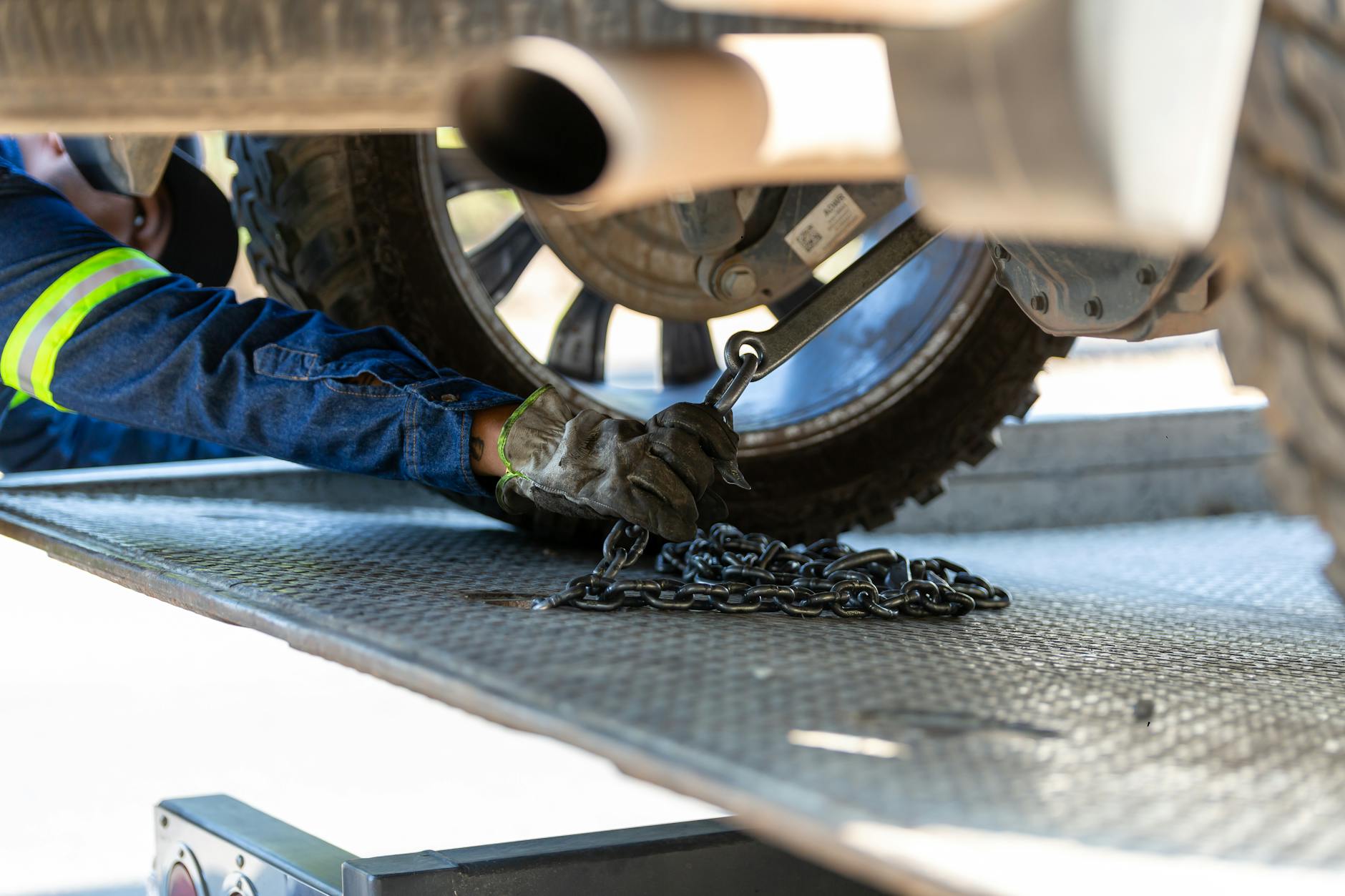
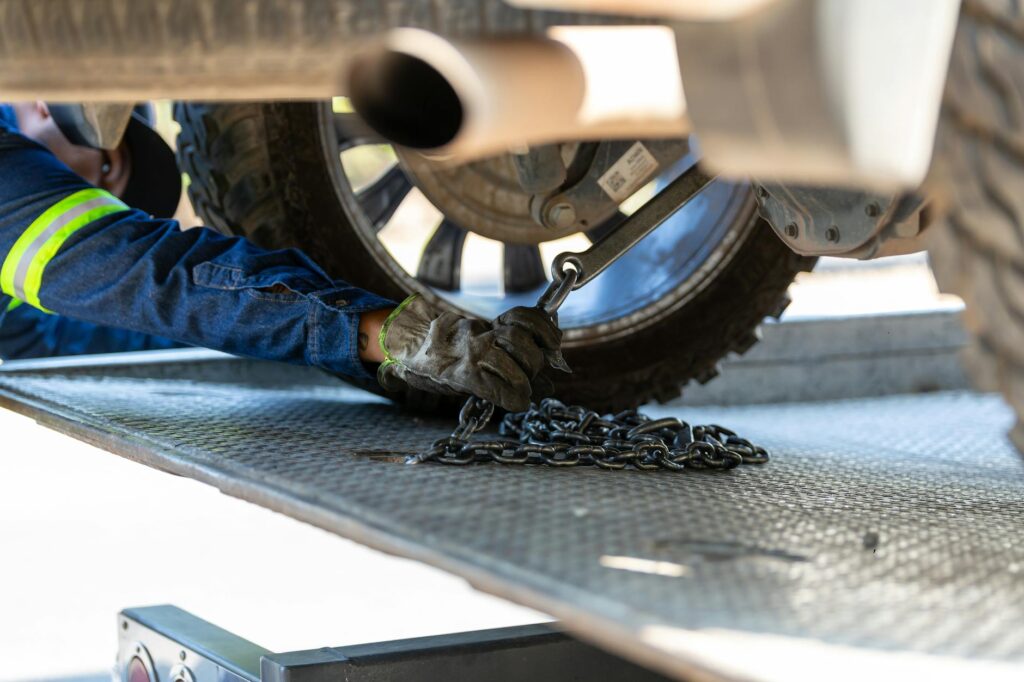
Safety chains are another critical component. They serve as a backup connection in case the hitch fails, preventing the trailer from detaching completely. Always cross the chains under the hitch to create a cradle for the trailer tongue, ensuring it stays attached even if it becomes detached from the vehicle.
Consult your vehicle towing checklist to ensure that all essential checks are completed, including brake lights, turn signals, and tire pressure of both the towing vehicle and the trailer. Following these towing preparation tips will significantly enhance your safety and control while towing in heavy traffic.
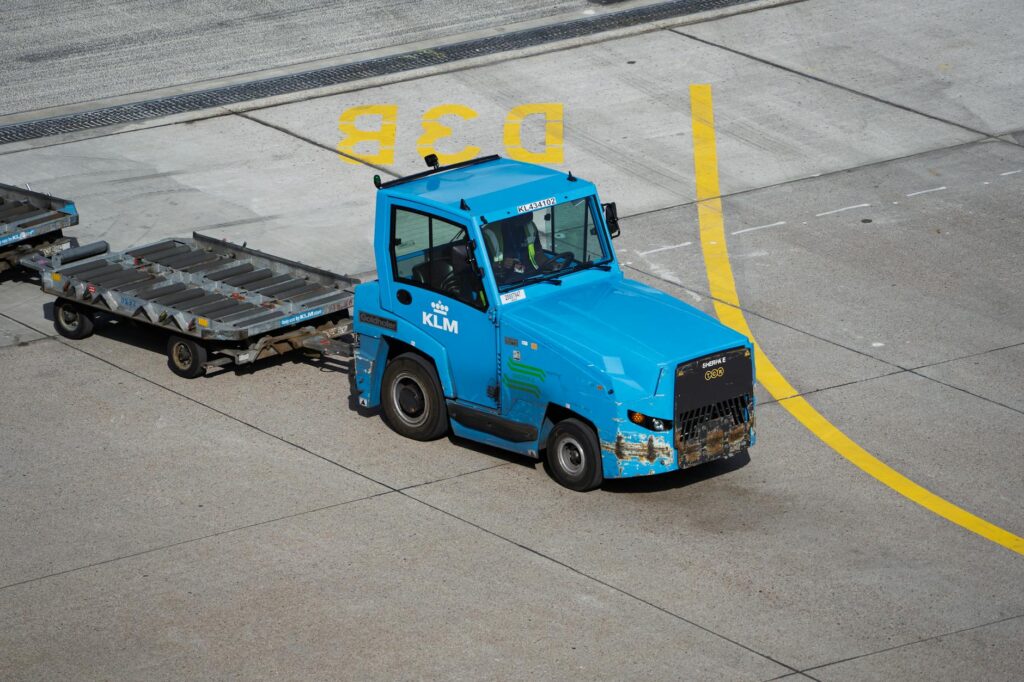
Towing Preparation Tips for Heavy Traffic Situations
Planning Your Route to Prepare Vehicle for Towing
Before you hit the road, it’s crucial to plan your route carefully, especially when towing in heavy traffic. One of the most effective towing preparation tips is to avoid peak hours. Traffic congestion can significantly increase the risks and challenges of towing. Aim to travel during off-peak times, typically early mornings or late evenings, when roadways are less crowded.
Additionally, familiarize yourself with alternate routes that may have lighter traffic. Utilize GPS navigation systems or mobile apps designed for real-time traffic updates to identify potential delays in advance. Knowing these alternatives can help you make informed decisions on the go, ensuring a smoother towing experience. Check local traffic reports for any construction, accidents, or road closures that could impact your route.
Techniques for Maneuvering in Traffic
When you prepare vehicle for towing, understanding how to maneuver in heavy traffic is essential for safety. Maintaining a safe distance from the vehicle in front of you is critical. A good rule of thumb is to keep at least one car length for every 10 mph of speed. This buffer allows you to react more effectively to sudden stops or slowdowns.
Heavy traffic towing advice includes anticipating stops and starts. Always be prepared to brake gently to avoid abrupt stops that could destabilize your trailer. Use your mirrors frequently to monitor traffic around you, especially when changing lanes or merging. Ensure that your brake lights and turn signals are functioning correctly, as clear communication with other drivers is vital in heavy traffic.
Lastly, consult a vehicle towing checklist to confirm that your vehicle is equipped and ready for the journey. This preparation can enhance safety and security while towing.
Essential Vehicle Towing Checklist
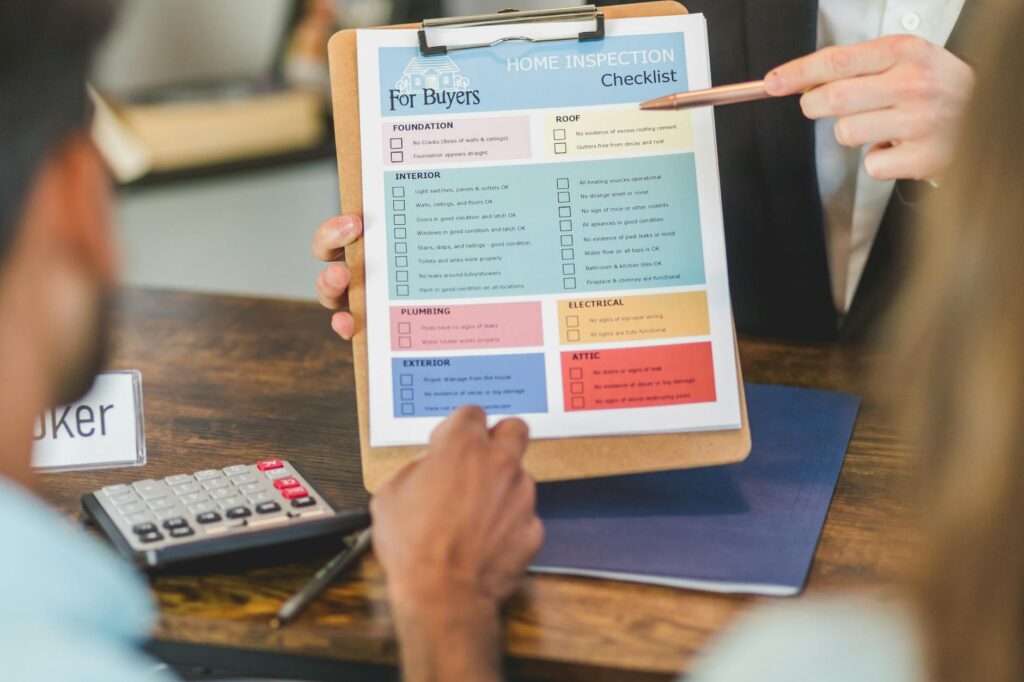
To ensure a safe and efficient journey when you need to prepare your vehicle for towing, a thorough checklist can be invaluable. This essential vehicle towing checklist covers crucial aspects that must be inspected before hitting the road, especially in heavy traffic conditions.
Pre-Towing Vehicle Inspection
Before setting off, conduct a detailed inspection of both the towing vehicle and the trailer. Here are key components to check:
- Tire Pressure: Check the tire pressure on both the vehicle and the trailer. Under-inflated tires can lead to blowouts, especially under heavy loads. Refer to the manufacturer’s recommendations for ideal pressure levels.
- Fluid Levels: Ensure that engine oil, transmission fluid, brake fluid, and coolant levels are adequate. Low fluid levels can cause overheating and other mechanical failures during towing.
- Brakes: Test the brake lights and inspect the braking system for wear and functionality. Reliable brakes are vital, especially when towing a heavy load.
- Lights and Signals: Confirm that all lights, including turn signals and hazard lights, are operational. Visibility is essential in heavy traffic.
- Hitch and Connections: Ensure that the hitch is securely attached and that safety chains are properly connected. Check the wiring for any damage or disconnections.
Final Checks Before Hitting the Road
After completing the initial inspection, perform these final checks to prepare your vehicle for towing:
- Review weight distribution to ensure that the load is balanced. An unbalanced load can lead to unstable towing.
- Test the trailer brakes, if equipped, to ensure they engage properly.
- Double-check all connections, including wiring and safety chains, to ensure everything is secure.
- Perform a quick walk-around inspection of the trailer and vehicle to identify any visible issues.
By following these comprehensive towing preparation tips, you can enhance your safety and confidence on the road. Remember, a well-prepared vehicle is key to a successful towing experience, especially in heavy traffic. For additional guidance, you can refer to Prepare Your Vehicle for Towing in Las Vegas Holidays.
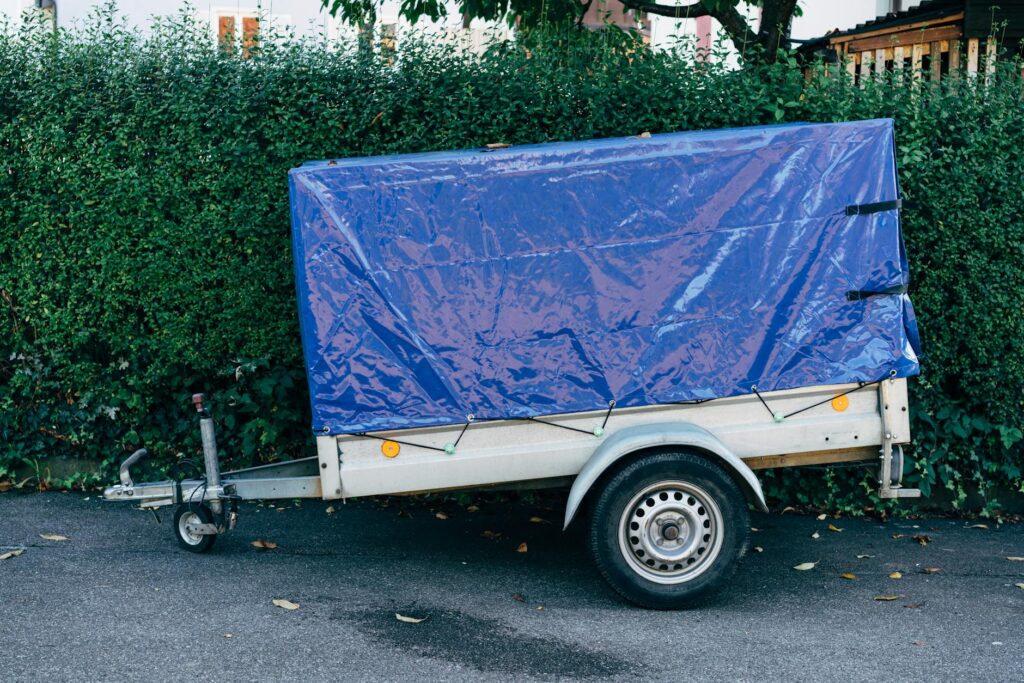
Emergency Preparedness While Towing
What to Do in Case of a Breakdown While You Prepare Your Vehicle for Towing
No matter how well you prepare your vehicle for towing, accidents can happen, especially in heavy traffic. If you experience a breakdown, it is crucial to act quickly and safely. First, ensure that you safely maneuver your vehicle to the side of the road, away from moving traffic. This is where your towing preparation tips come into play, having emergency supplies on hand can make a significant difference.
If it’s safe to do so, turn on your hazard lights immediately. This alerts other drivers to your situation. If you have flares or reflective triangles in your vehicle towing checklist, use them to further signal your presence. If your vehicle is unable to move and you are stranded in heavy traffic, call for roadside assistance or emergency services. Stay inside your vehicle with your seatbelt fastened until help arrives, as it provides an added layer of protection from passing vehicles.
Safety Tips for Stopping in Traffic
When you need to stop in heavy traffic while towing, there are several best practices to follow. Keep a safe distance from the vehicle in front of you, allowing for ample space in case you need to stop suddenly. Regularly check your mirrors to stay aware of your surroundings, including vehicles approaching from behind.
In case of a sudden stop, it’s essential to brace yourself and passengers for potential jolts. If you find yourself needing to stop unexpectedly, gently apply the brakes and maintain control of your vehicle. Always be prepared to react to the movements of other vehicles, especially in congested areas. Following these heavy traffic towing advice tips can help mitigate risks and ensure the safety of everyone involved.
Having a well-thought-out emergency plan is critical to towing safely, particularly in heavy traffic. By following these guidelines and consulting your vehicle towing checklist, you can enhance your safety and be better equipped to handle unforeseen circumstances.
Conclusion: Safe Towing Practices
Successfully navigating heavy traffic while towing demands thorough preparation and a keen awareness of safety protocols. To prepare your vehicle for towing, it is essential to follow a comprehensive vehicle towing checklist. This checklist should include verifying that your towing equipment is properly installed, ensuring that your vehicle’s brakes and lights are functional, and confirming that the load is well-balanced and secured.
Implementing effective towing preparation tips can significantly reduce the risks associated with towing in congested areas. For instance, maintaining a safe distance from other vehicles, using your mirrors to monitor blind spots, and signaling well in advance can help ensure a smoother driving experience. Additionally, practicing defensive driving techniques can enhance your safety while towing.
When it comes to heavy traffic towing advice, remember that speed limits may vary for towing vehicles. Be sure to adhere to local regulations and adjust your speed accordingly. Always be prepared for sudden stops and unpredictable movements from other drivers, and avoid sudden lane changes unless absolutely necessary.
By taking the time to prepare your vehicle for towing and implementing these safety measures, you can significantly reduce the likelihood of accidents, ensuring a safer journey for you and those around you. Ultimately, a well-prepared vehicle and informed driver are key to successful towing in any traffic condition.
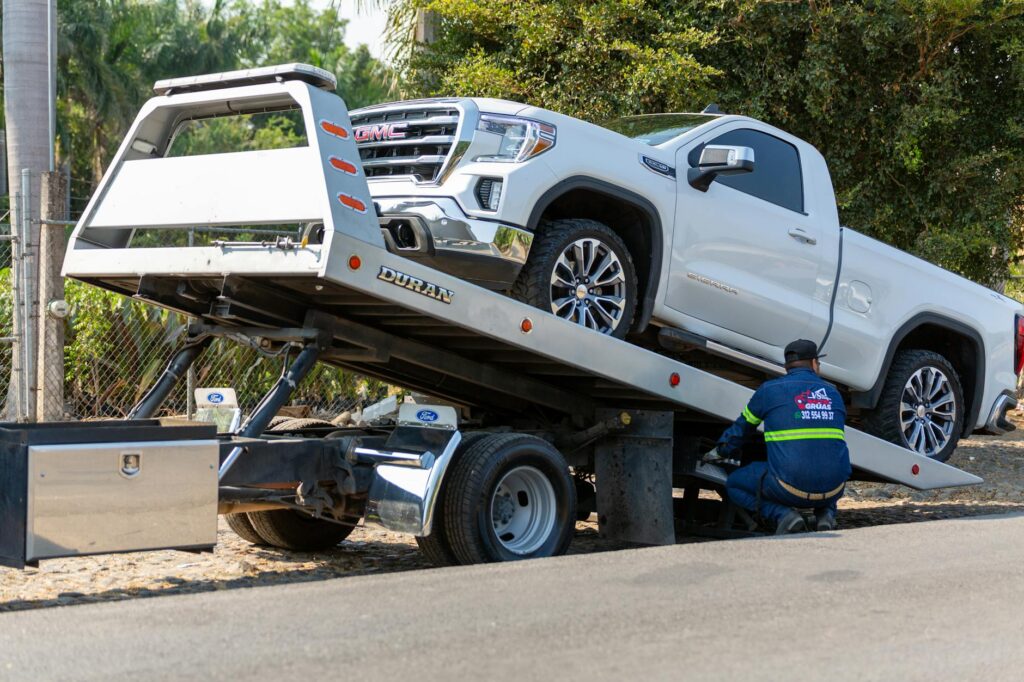
Preparing your vehicle for towing is crucial, especially in heavy traffic situations where the risks can increase significantly. Following effective towing preparation tips can help ensure both your safety and the safety of others on the road. Make sure to consult your vehicle towing checklist to confirm that all necessary equipment is in place and functioning correctly.
Heavy traffic towing advice emphasizes the importance of being alert and planning your route carefully. Ensure that you understand the dynamics of towing in busy areas, such as maintaining safe distances and practicing proper signaling. By taking these steps, you can minimize the chances of accidents and make your towing experience smoother. Start your preparation today by reviewing your vehicle’s specifications and ensuring you’re equipped for the task ahead.
“`html
What are the best towing preparation tips?
To prepare your vehicle for towing, start by ensuring your vehicle and trailer are compatible and that you have the right hitch. Check your vehicle’s weight limits and make sure the load is evenly distributed. Inspect all lights and brakes, and ensure your tires are properly inflated. Using safety chains and securing the load can prevent accidents. Familiarizing yourself with towing laws in your area is also essential for safe towing.
How do I prepare my vehicle for towing?
To prepare your vehicle for towing, start by checking the owner’s manual for the manufacturer’s towing guidelines. Ensure that your engine and transmission are in good condition and that the cooling system is functioning properly. Also, consider installing a brake controller if towing a heavier load. Make sure to adjust your mirrors for better visibility and practice driving with the trailer in a safe area before hitting the road.
What should be included in a vehicle towing checklist?
A comprehensive vehicle towing checklist should include items such as checking the hitch and safety chains, ensuring the trailer and vehicle lights are functioning, inspecting tire pressure and tread, confirming load distribution, and testing the brakes. Additionally, verify that your vehicle’s towing capacity is suitable for the load. Keep emergency equipment, such as a spare tire, jack, and tools, on hand. Always review local towing regulations as part of your checklist.
How can I safely tow in heavy traffic?
To safely tow in heavy traffic, maintain a safe following distance to allow for adequate stopping time. Use your turn signals well in advance and avoid sudden lane changes. Stay aware of your surroundings, including blind spots, and consider using a spotter if necessary. When merging or changing lanes, do so gradually. Practice defensive driving techniques, and remain calm during unexpected situations to ensure a safe towing experience in heavy traffic.
What are the most common towing mistakes to avoid?
Common towing mistakes include exceeding the vehicle’s towing capacity, failing to distribute the load evenly, and neglecting to check brake and signal lights. Not using safety chains properly or forgetting to secure the load can also lead to dangerous situations. Additionally, underestimating stopping distances and not practicing towing skills can result in accidents. Always take the time to prepare your vehicle for towing and double-check your equipment before starting your journey.
What should I do if my vehicle breaks down while towing?
If your vehicle breaks down while towing, first ensure your safety by pulling over to a safe area away from traffic. Turn on hazard lights and set up warning triangles to alert other drivers. If possible, contact roadside assistance for help. It’s important to avoid attempting to fix the issue yourself in a dangerous location. If you must wait, stay with your vehicle until help arrives, especially if traveling in a remote area.
“`