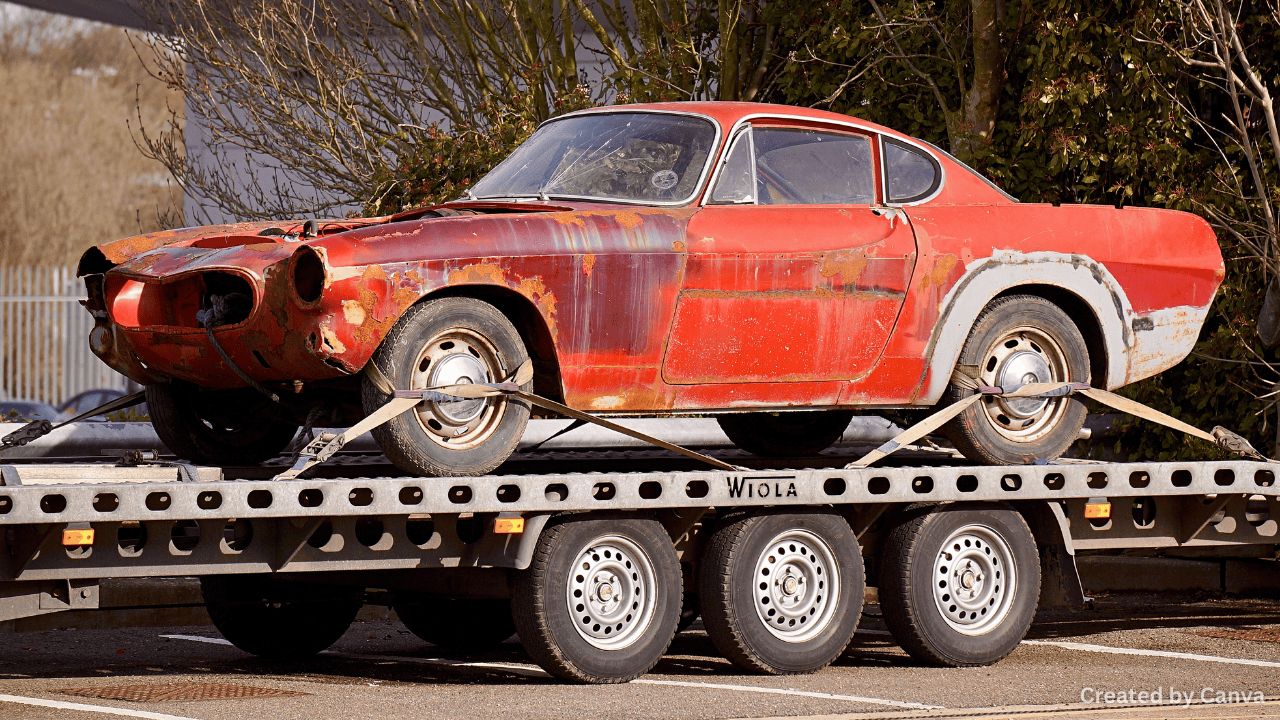
Most people who call a tow truck expect help, not another bill for repairs. It’s true that problems with damaged vehicles that need to be towed can happen, but they don’t have to. Towing is meant to move a car safely when the right tools are used and the person doing it follows the right steps. When the tow method doesn’t match the type of vehicle, the car is loaded wrong, or the situation is rushed on a busy road, the risk usually goes up.
How Towing Can Hurt Things
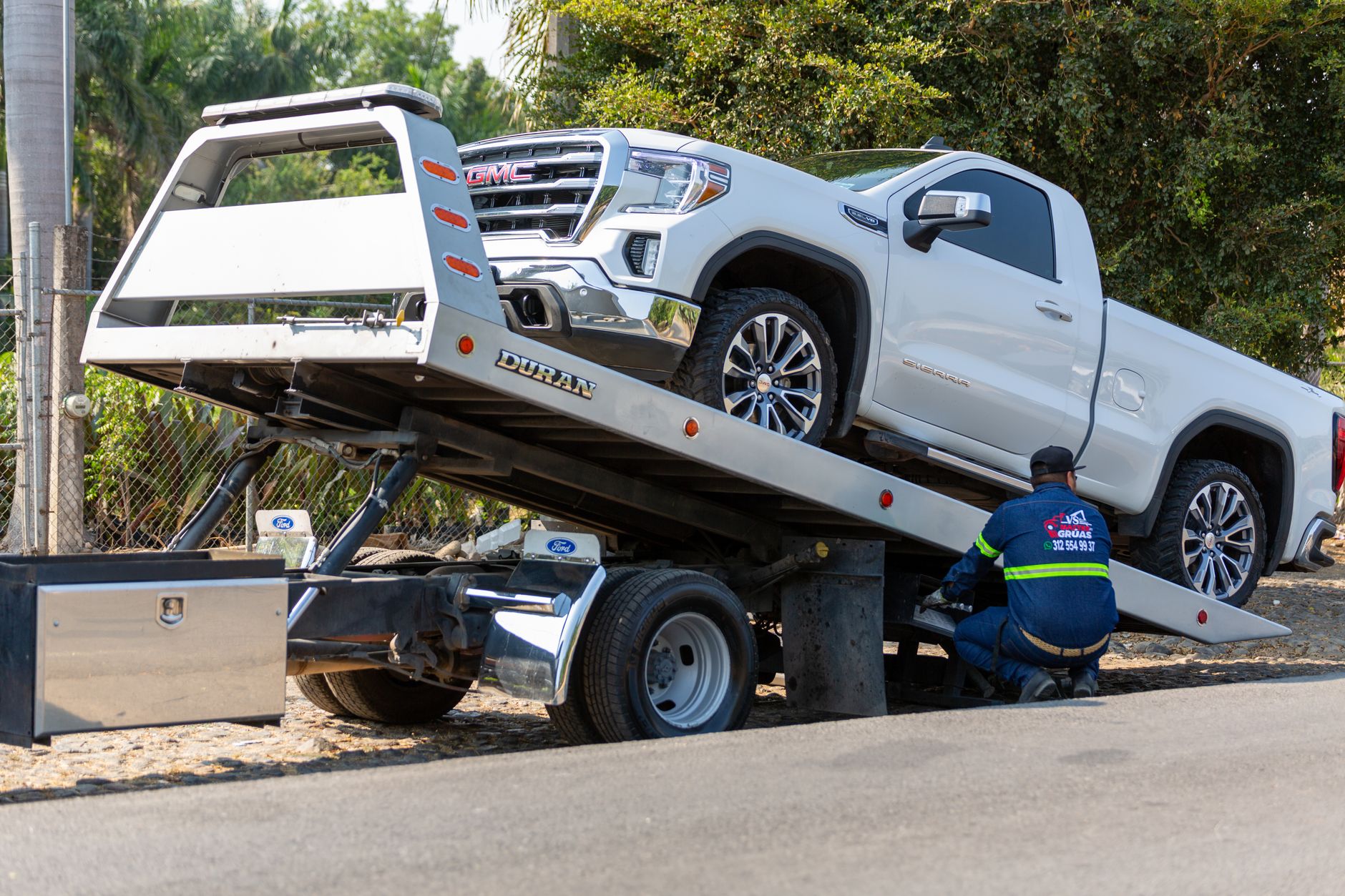
The front bumper, undercarriage, wheels, and drivetrain are all at risk of damage when towing. If the angle is too steep or boards aren’t used, low-clearance vehicles can scrape when they are pulled onto a flatbed. If you don’t put the hook in the right place, it can bend suspension parts or break steering parts. If you tow a car with the drive wheels on the ground when they should be lifted, it can damage the transmission and differential, especially with all-wheel drive systems.

If you tighten straps and chains against sensitive areas, they can also leave marks. Even small problems, like a tie-down that isn’t lined up right, can rub against the side of a tire while it’s being moved. A loose load can shift in rare cases, which can damage the body or break lights.
How to Tow Safely and Why It Matters
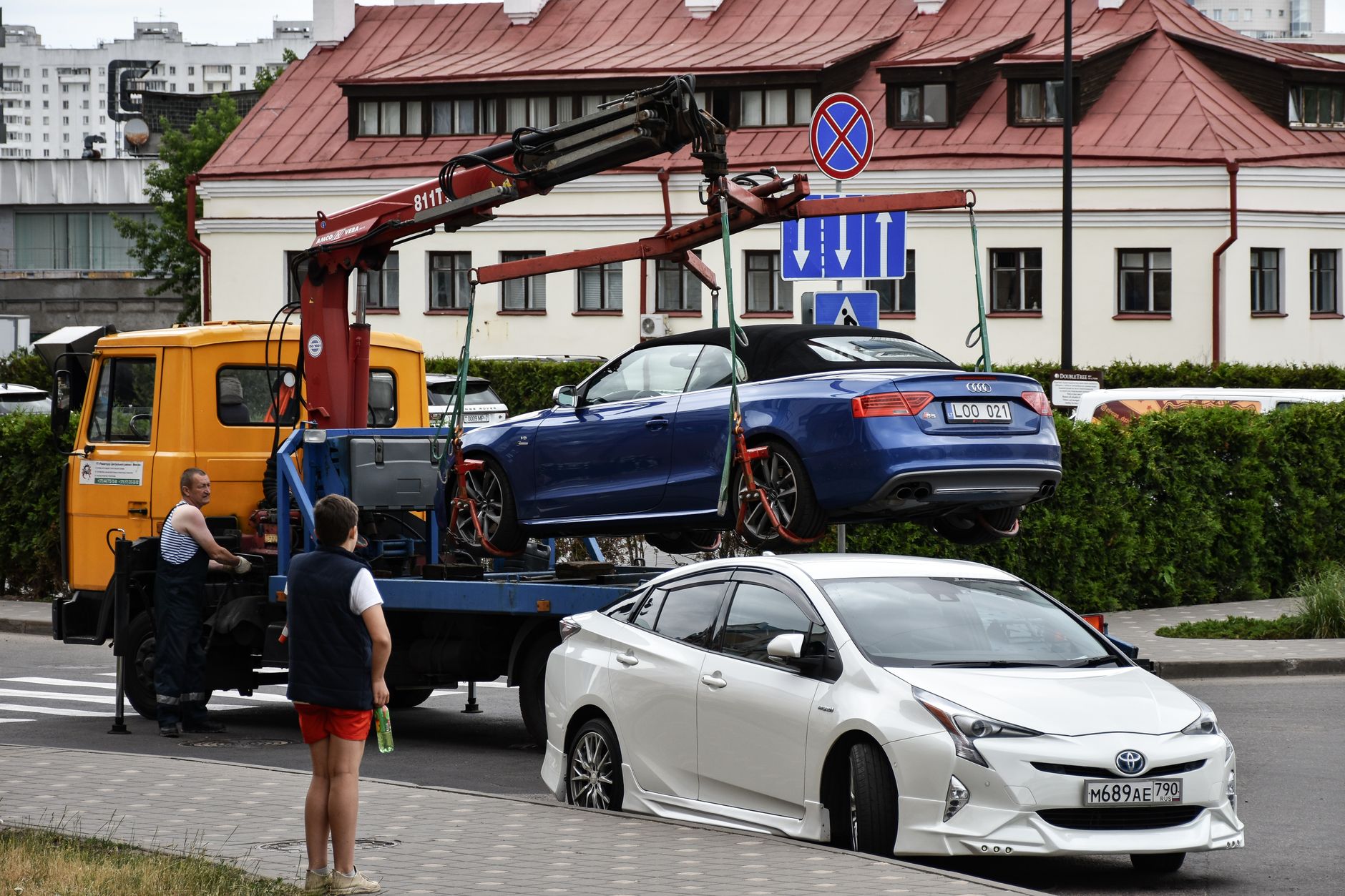
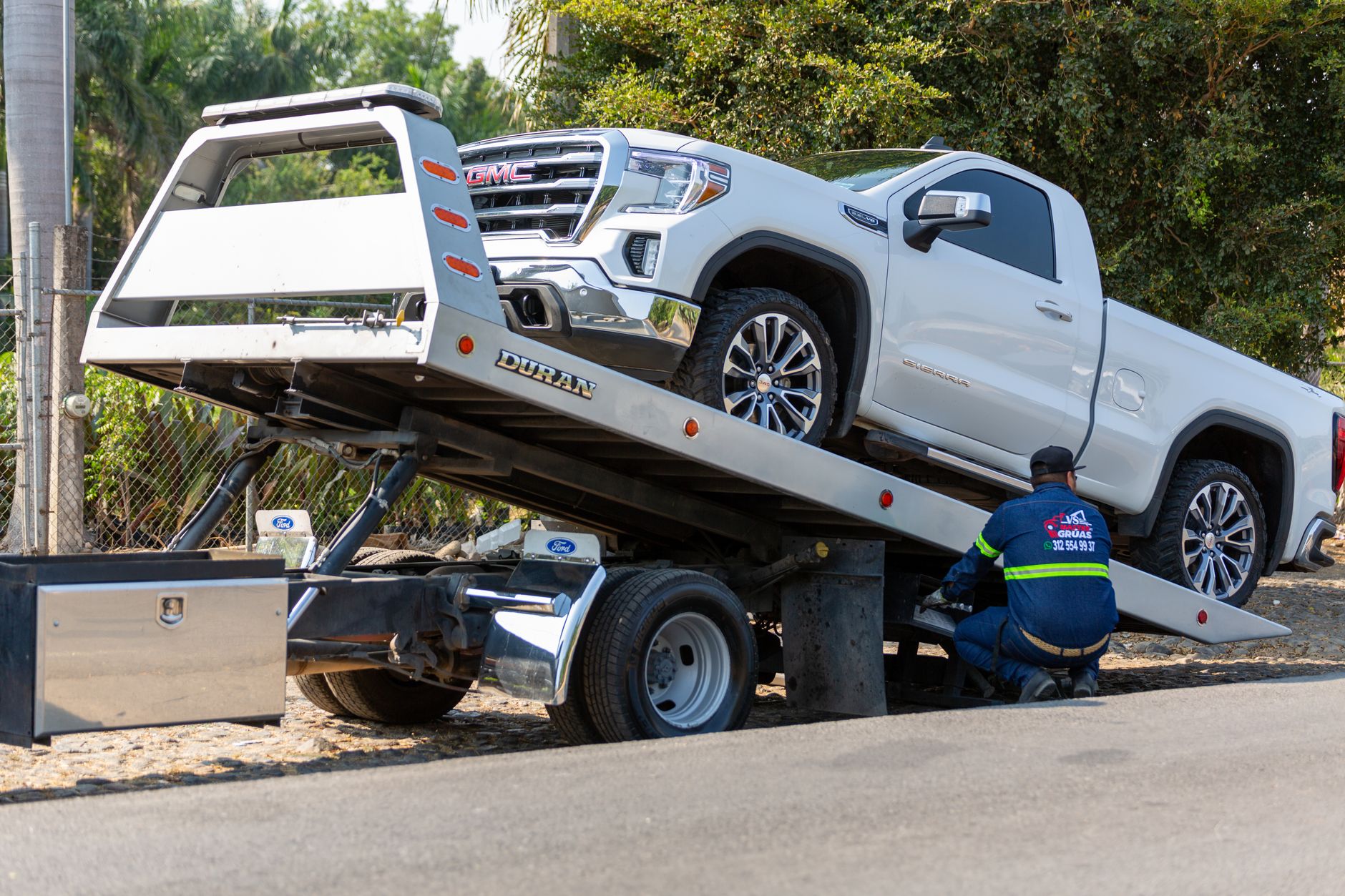
Choosing the right setup is the first step to safe towing. A flatbed is usually the safest choice for modern cars because all four wheels are off the ground, which reduces wear and stress on the drivetrain. When the operator lifts the right axle and uses dollies if needed, wheel lift towing can be a good option for short distances. Integrated tow trucks are often used for repossessions and some situations on the side of the road, but they need to be attached carefully.
The answer to your question about how towing works without damage is planning and control. Before moving, the operator should make sure the vehicle is tied down at the right places, check for clearance, protect the body panels if needed, and make sure the transmission and parking brake are working. When towing specialty vehicles, the operator may want to check with the manufacturer for advice.
How to Protect Your Car
Take quick pictures of your car from all sides before the truck leaves. Take out any loose personal items and double-check the tow destination. Let the driver know if your car has all-wheel drive, is lowered, is electric, or has a problem with the steering lock. It’s okay to ask what method will be used, and it helps avoid confusion.
Questions and Answers
Can towing hurt my transmission?
Yes, if the wrong wheels are left on the ground for some drivetrains. A flatbed or dollies can help lower this risk.
Is a flatbed always safer?
Yes, a lot of the time. Keeping the car completely off the road is a great way to protect it, especially if it’s an all-wheel drive or electric vehicle.
What do I need to look at after my car is towed?
Check for new scratches on the bumper, marks on the undercarriage, damage to the wheels, warning lights, and changes in alignment. Look at your photos and see how they compare.
If towing causes damage, who is to blame?
Who is responsible depends on the facts and any service agreement, but having before and after photos and a detailed report makes it easier to figure out.
Featured Image
Images are by Canva.com