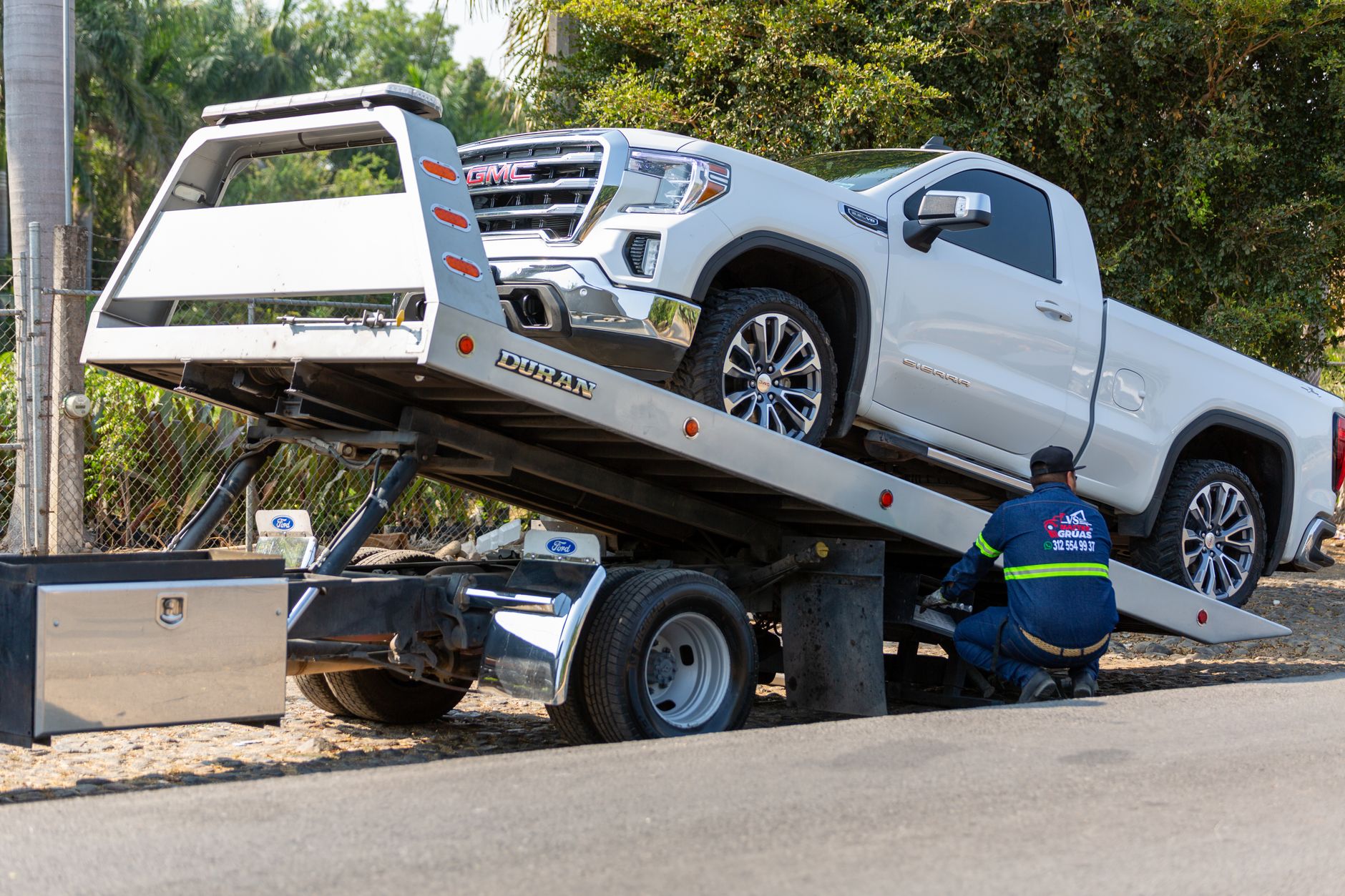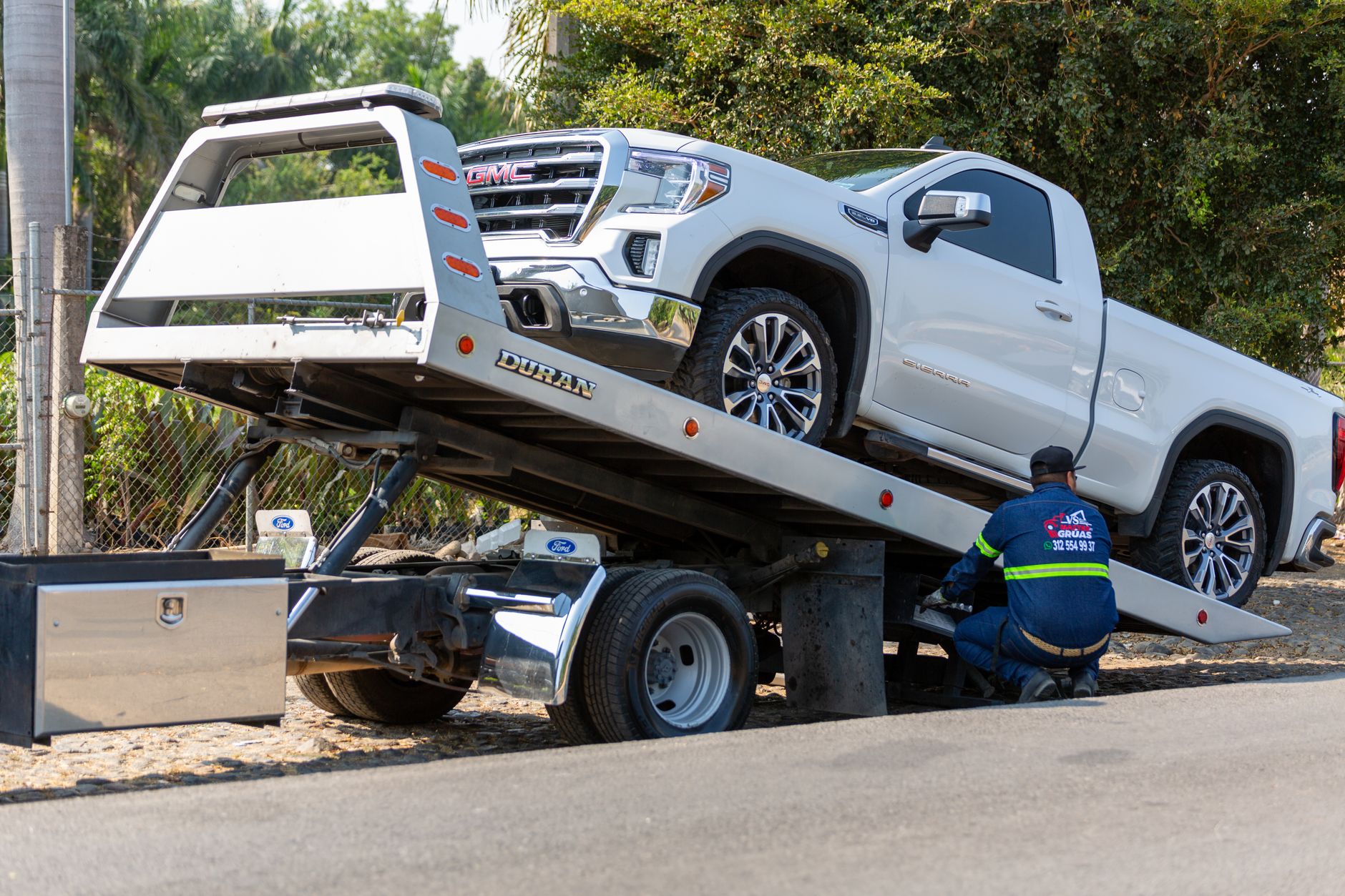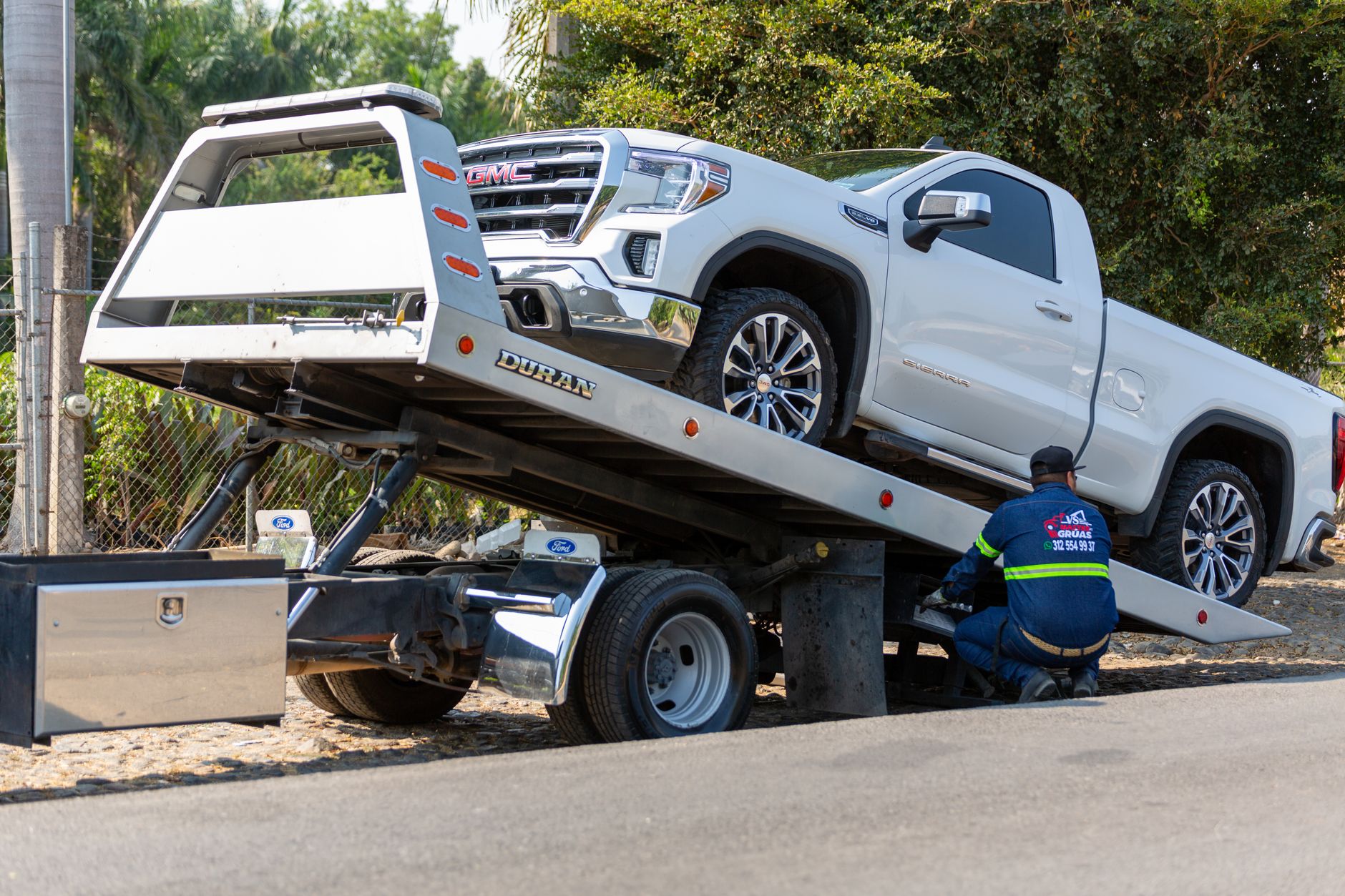
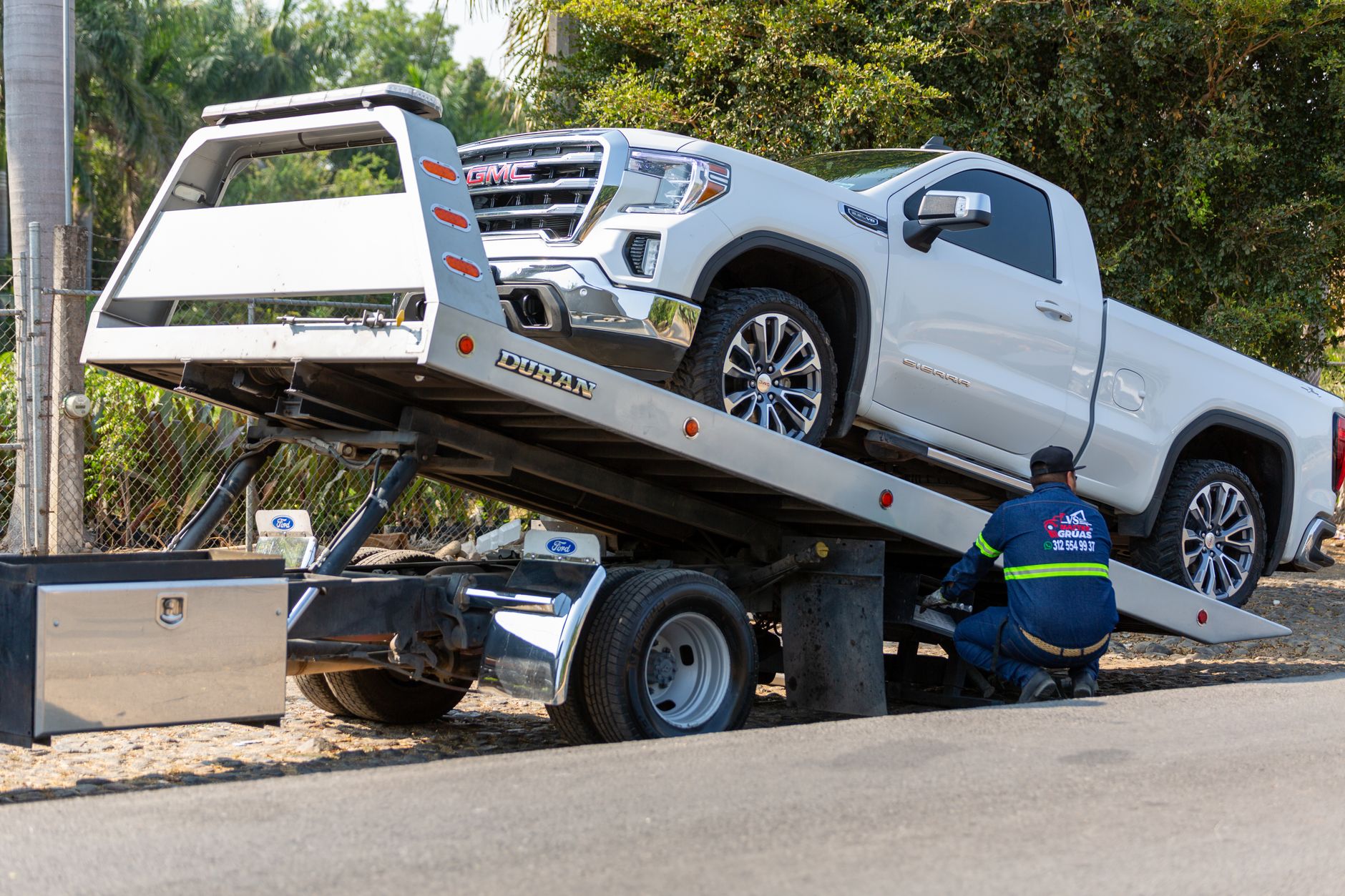
Ensuring waiting for tow truck safety is paramount, especially during an unexpected roadside emergency vehicle breakdown. When your car fails, the moments spent waiting for towing assistance can be fraught with anxiety, but they don’t have to be dangerous. This article delves into essential roadside safety tips that will help you stay secure while awaiting help. We will explore best practices for waiting for tow truck safety, emphasizing the importance of situational awareness and vehicle positioning. Additionally, we’ll highlight the risks associated with ignoring safety measures during these vulnerable moments. By prioritizing your safety, you can significantly reduce the potential hazards that come with vehicle breakdowns. Stay tuned as we equip you with the knowledge to navigate these challenging situations confidently and safely.
Understanding Waiting for Tow Truck Safety
When faced with an emergency vehicle breakdown, the last thing anyone wants is to feel vulnerable while waiting for help. The reality is that waiting for a tow truck can expose individuals to various risks, making the discussion of waiting for tow truck safety not just important, but essential. In this opinion piece, I argue that understanding safety measures during this waiting period can significantly reduce potential dangers and alleviate stress.
The Importance of Roadside Safety Tips
One of the most critical aspects of waiting for tow truck safety involves implementing effective roadside safety tips. When stranded on the side of the road, especially in high-traffic areas, it is vital to stay inside your vehicle with seatbelts fastened. This simple act can provide a buffer against passing traffic, which is one of the most significant hazards. Additionally, turning on hazard lights alerts other drivers to your presence, thus enhancing safety.
- Always pull over to a safe location, away from traffic.
- Keep your windows closed and doors locked while waiting.
- Utilize emergency flares or reflective triangles to increase visibility.
Moreover, it is wise to keep a charged phone handy to contact towing assistance and to inform family or friends of your situation. This way, even if you are waiting for a lengthy period, you have a means of communication should anything unexpected arise.
Preparing for an Emergency Vehicle Breakdown
Preparation is key when it comes to minimizing the anxiety associated with an emergency vehicle breakdown. By knowing what to expect and having a plan in place, individuals can significantly reduce stress levels. Keeping an emergency kit in your vehicle, which includes items like water, snacks, a first-aid kit, and a flashlight, can make a waiting period more comfortable and manageable.
In addition, understanding your vehicle’s issues can expedite the towing process, as providing accurate information to the towing service can lessen the time spent waiting. Familiarizing yourself with your vehicle’s needs and having a reliable contact for towing services can further enhance your readiness.
While some may argue that worrying about waiting for tow truck safety is unnecessary, considering the potential dangers of roadside incidents, it is clear that proactive measures can mitigate risks. By embracing these safety tips and preparing for emergencies, individuals can feel more secure while waiting for help to arrive.

Best Practices for Waiting for Tow Truck Safety
When it comes to waiting for a tow truck, prioritizing safety is essential. Whether it’s an emergency vehicle breakdown or a minor inconvenience, the way you handle the situation can make all the difference. In this section, we will explore best practices for waiting for tow truck safety, including choosing a safe location and effectively communicating with your towing assistance service.
Choosing a Safe Location for Waiting for Tow Truck Safety
First and foremost, if your vehicle is still operational, try to move it to a safe area away from traffic. Ideally, this means pulling off to the shoulder of the road or into a parking lot. According to NHTSA, being visible to oncoming traffic is crucial for your safety. If relocating is not an option, stay inside your vehicle with the doors locked. This not only protects you from the elements but also reduces the risk of potential harm from passing vehicles.
It’s also important to be aware of your surroundings. Keep an eye out for approaching cars and avoid distractions such as using your phone or listening to loud music. Following roadside safety tips can enhance your awareness and help you react appropriately should a dangerous situation arise.

Communicating with Your Towing Assistance Service
Once you are in a safe location, the next step is to communicate effectively with your towing assistance service. Be prepared to provide your exact location, including landmarks or mile markers, to enable the tow truck to find you quickly. Clear communication can significantly reduce wait times, allowing timely assistance during your emergency vehicle breakdown.
Moreover, keep your phone handy for updates from the towing service. If there are any changes to your situation, such as moving to a different location or needing additional help, inform them immediately. This proactive approach can ensure that help arrives as swiftly as possible, reinforcing the importance of waiting for tow truck safety.
While some may argue that waiting in the car can seem passive or unproductive, the reality is that it is a vital safety measure. By choosing a safe location and establishing clear communication with your towing assistance service, you can significantly mitigate risks and ensure a smoother resolution to your predicament.
Prioritizing waiting for tow truck safety not only protects you but also enhances the efficiency of the towing process. Always remember: safety comes first, and the steps you take while waiting can make all the difference.
Counterpoints: Risks of Ignoring Safety While Waiting
Common Misconceptions About Waiting for Tow Truck Safety
When faced with an emergency vehicle breakdown, many individuals mistakenly believe that exiting their vehicle while waiting for towing assistance is a safe option. This misconception can lead to dangerous outcomes. The truth is, remaining inside your vehicle is often the safest choice. According to the National Highway Traffic Safety Administration, over 300 people die each year in accidents involving roadside incidents. Exiting your vehicle can expose you to various hazards, including passing traffic and the potential for falling debris.
Another common belief is that waiting for a tow truck guarantees safety as long as the hazard lights are on. While hazard lights do increase visibility, they do not eliminate risk. In fact, a study from the Insurance Institute for Highway Safety showed that vehicles with activated hazard lights are often still struck by passing cars. Therefore, it is crucial to adhere to effective roadside safety tips and stay inside your vehicle until help arrives.
Real-Life Consequences of Neglecting Safety
Neglecting safety measures while waiting for a tow truck can have severe real-life consequences. The frightening statistics reveal that roadside fatalities have been steadily increasing. For instance, a report from the Federal Highway Administration indicates that between 2016 and 2020, the number of roadside fatalities rose by 16%. These numbers emphasize the critical need for prioritizing waiting for tow truck safety.
Moreover, the emotional toll of a roadside incident can be significant. Victims of accidents often suffer from anxiety and trauma long after the incident occurs. Ignoring safety can lead to not only physical injuries but also psychological ramifications that affect daily life. Therefore, it is imperative to follow safety protocols and remain vigilant while awaiting towing assistance.
By acknowledging the risks associated with poor safety practices and understanding the facts behind these misconceptions, individuals can better prepare for unexpected roadside situations. Always consider the potential dangers and prioritize your safety above all else while waiting for a tow truck.
Conclusion: Prioritizing Your Safety During Breakdowns
Recap of Key Safety Tips for Waiting for Tow Truck Safety
Throughout this article, we have discussed essential roadside safety tips to consider while waiting for a tow truck. First and foremost, it is crucial to remain in your vehicle if it is safe to do so; this not only protects you from potential traffic hazards but also allows you to stay in a controlled environment. Keeping your hazard lights on and positioning reflective triangles or flares can alert other drivers to your presence, reducing the risk of further accidents. Additionally, it is advisable to stay calm and avoid engaging with any aggressive drivers that may stop to offer help, as their intentions may not always be pure. Finally, having a charged phone and a pre-selected towing assistance service on speed dial can expedite the process and ensure you receive help promptly.
Taking Action Before You Need Help
Preparation can significantly enhance your waiting for tow truck safety experience. Before an emergency vehicle breakdown occurs, take proactive steps to ensure you are ready. Regular maintenance on your car can prevent many breakdowns, and keeping an emergency kit stocked with basic supplies can make a significant difference in how you handle unexpected situations. Familiarizing yourself with local towing services and understanding your insurance coverage can also provide peace of mind. Consider creating a checklist of actions to take if you find yourself stranded, which can include contacting roadside assistance, informing a friend or family member of your situation, and knowing the safest place to wait for your tow truck.
Ultimately, the key to managing an emergency vehicle breakdown lies in your ability to stay prepared and informed. By prioritizing your safety and taking the time to establish a plan, you can navigate these stressful situations with greater confidence. Remember, maintaining a calm demeanor and adhering to safety protocols can not only protect you but also ensure that your experience while waiting for towing assistance is as safe and efficient as possible.
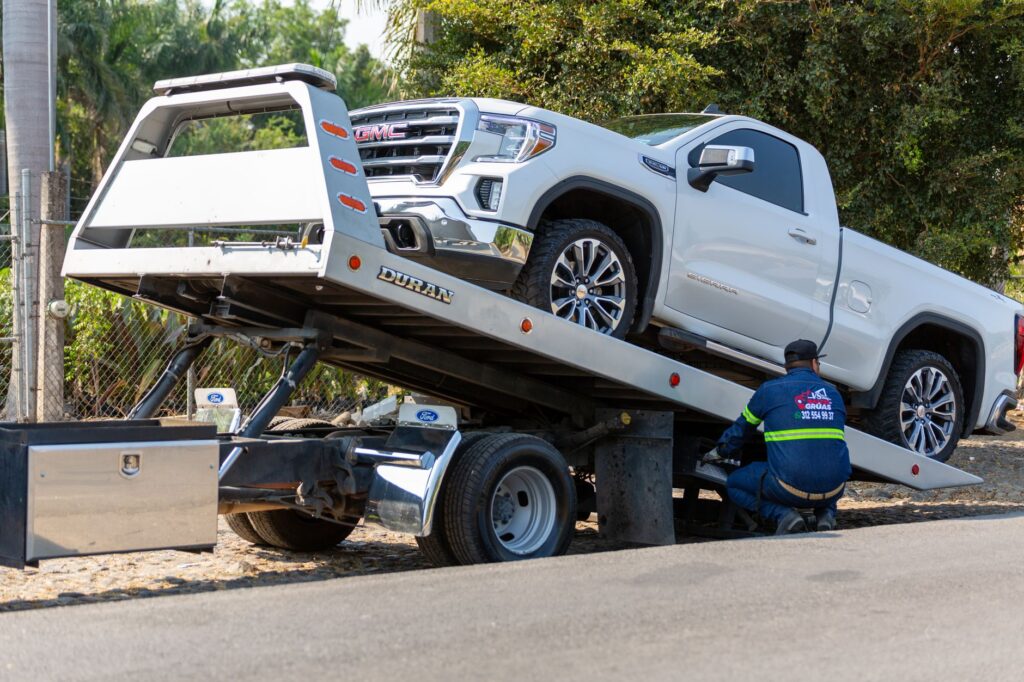
Practicing proper waiting for tow truck safety is essential when you find yourself stranded due to an emergency vehicle breakdown. By adhering to effective roadside safety tips, you can significantly reduce your risk of accidents or injury while waiting for towing assistance. Always ensure that you are positioned safely away from traffic, and try to remain inside your vehicle if it is safe to do so, keeping your doors locked and your hazard lights activated.
As you wait, it’s wise to stay alert and aware of your surroundings. Familiarize yourself with emergency protocols for roadside assistance and have your towing service’s contact information readily available. If you find yourself in need of towing assistance, don’t hesitate to reach out to professionals who can provide a safe solution. By following these guidelines, you can manage the situation effectively and minimize stress while waiting for help to arrive.
“`html
What should I do while waiting for a tow truck?
While waiting for a tow truck, ensure your safety first. If possible, stay in your vehicle with your seatbelt fastened, especially on busy roads. Turn on your hazard lights to alert other drivers. If you must exit the vehicle, do so cautiously and stay as far away from traffic as possible. Keep your phone charged and ready for communication. Additionally, keep your location information handy to provide to the towing service when they arrive. These actions contribute to waiting for tow truck safety.
How can I ensure my safety during a vehicle breakdown?
To ensure your safety during a vehicle breakdown, choose a safe location to stop, such as a parking lot or a wide shoulder. Turn on your hazard lights immediately and consider setting up warning triangles if you have them. Stay inside your vehicle if you are on a busy road, and avoid standing near the edge of the road. If you feel unsafe or uncomfortable, call for help. Familiarizing yourself with essential roadside safety tips can further enhance your safety during an emergency vehicle breakdown.
Is it safe to wait outside my car for a tow truck?
Generally, it is safer to wait inside your car, especially on busy roads. This keeps you out of the path of traffic and minimizes the risk of injury. However, if you are in a dangerous area or feel threatened, you might need to exit the vehicle cautiously. Always prioritize your safety and try to remain visible to other drivers. Inform someone of your location and situation while you wait for towing assistance, ensuring your waiting for tow truck safety.
What are the best roadside safety tips?
Some of the best roadside safety tips include keeping a roadside emergency kit in your vehicle, which should contain flares, a flashlight, first-aid supplies, and water. Always check your vehicle regularly to prevent breakdowns. If you experience a flat tire or mechanical failure, pull over to a safe area, activate your hazard lights, and stay inside your car if possible. Additionally, have the contact information of a trustworthy towing service readily available, which can be crucial when you need quick towing assistance.
How long should I expect to wait for towing assistance?
The wait time for towing assistance can vary based on several factors including your location, the time of day, and the towing company’s availability. Generally, you can expect to wait anywhere from 30 minutes to an hour. During peak hours or in remote areas, it may take longer. If you have not received an update within the expected timeframe, don’t hesitate to contact the towing service again for status updates. Having realistic expectations can help ease any anxiety while waiting for a tow truck.
What information should I provide to my towing service?
When contacting your towing service, provide essential information such as your exact location, a description of your vehicle including the make, model, and color, and the nature of the problem. If you have a preferred towing service, mention that as well. Inform them of any specific circumstances or hazards in your location, such as busy roads or unsafe conditions. This information helps towing companies respond effectively, ensuring your waiting for tow truck safety and efficiency.
“`