
The environmental impact of towing is a crucial topic that often goes overlooked. As urban areas continue to expand, the need for effective towing services has surged, particularly in bustling cities like Las Vegas. However, this increase in towing activities brings with it several environmental concerns, including towing and pollution in Las Vegas. Heavy vehicles, often involved in towing operations, contribute significantly to greenhouse gas emissions and other pollutants that can degrade air quality. This article will delve into the urban towing effects on the environment, exploring how towing practices can affect ecosystem health and community well-being. Additionally, we will discuss various towing sustainability practices that can help mitigate these negative impacts. Finally, we will address the challenges associated with environmental impact towing and propose solutions aimed at reducing the ecological footprint of towing operations. By understanding these factors, stakeholders can work towards a more sustainable future in the towing industry.
The Environmental Impact of Towing Heavy Vehicles
The Basics of Towing and Pollution Las Vegas
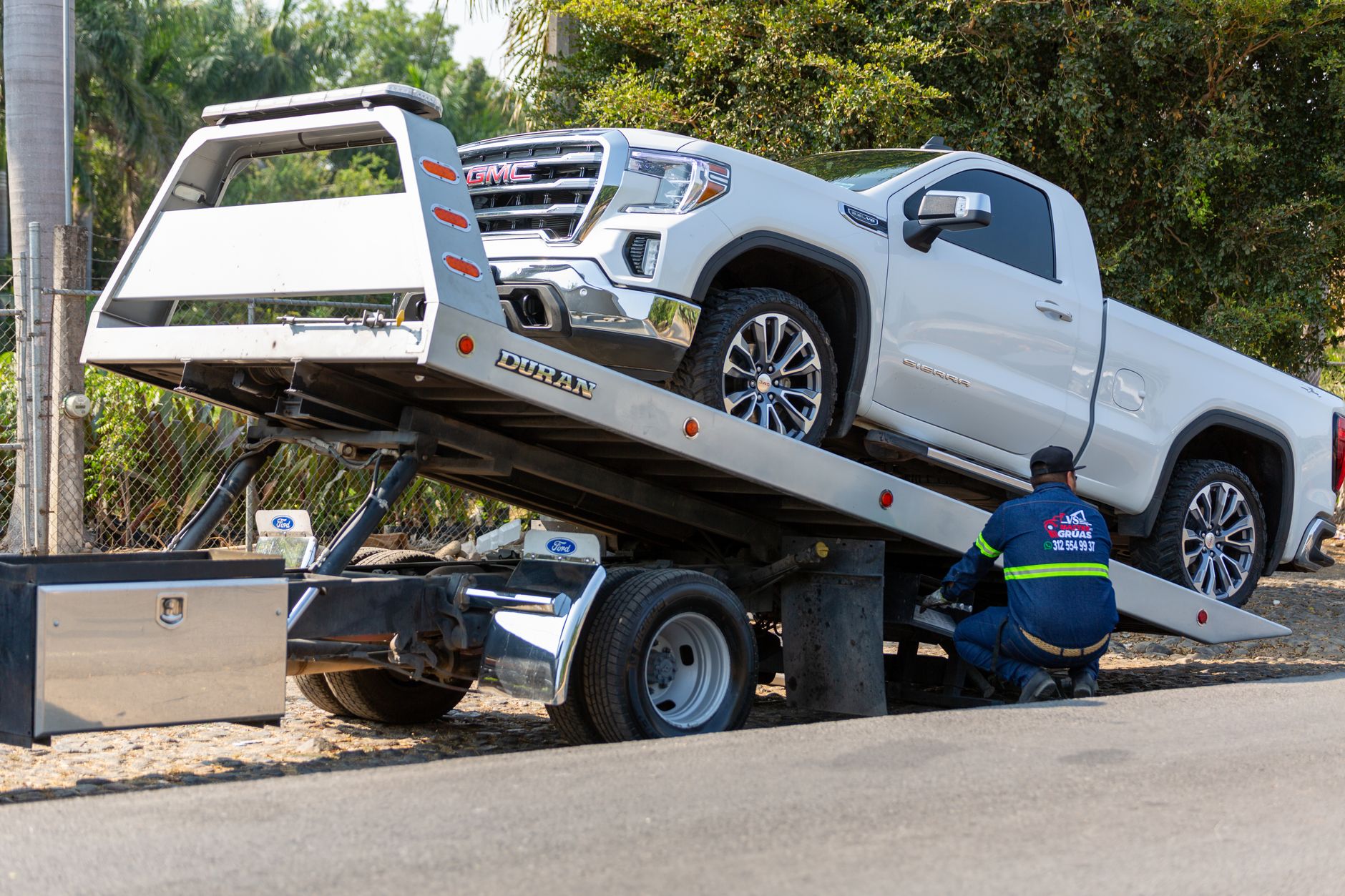
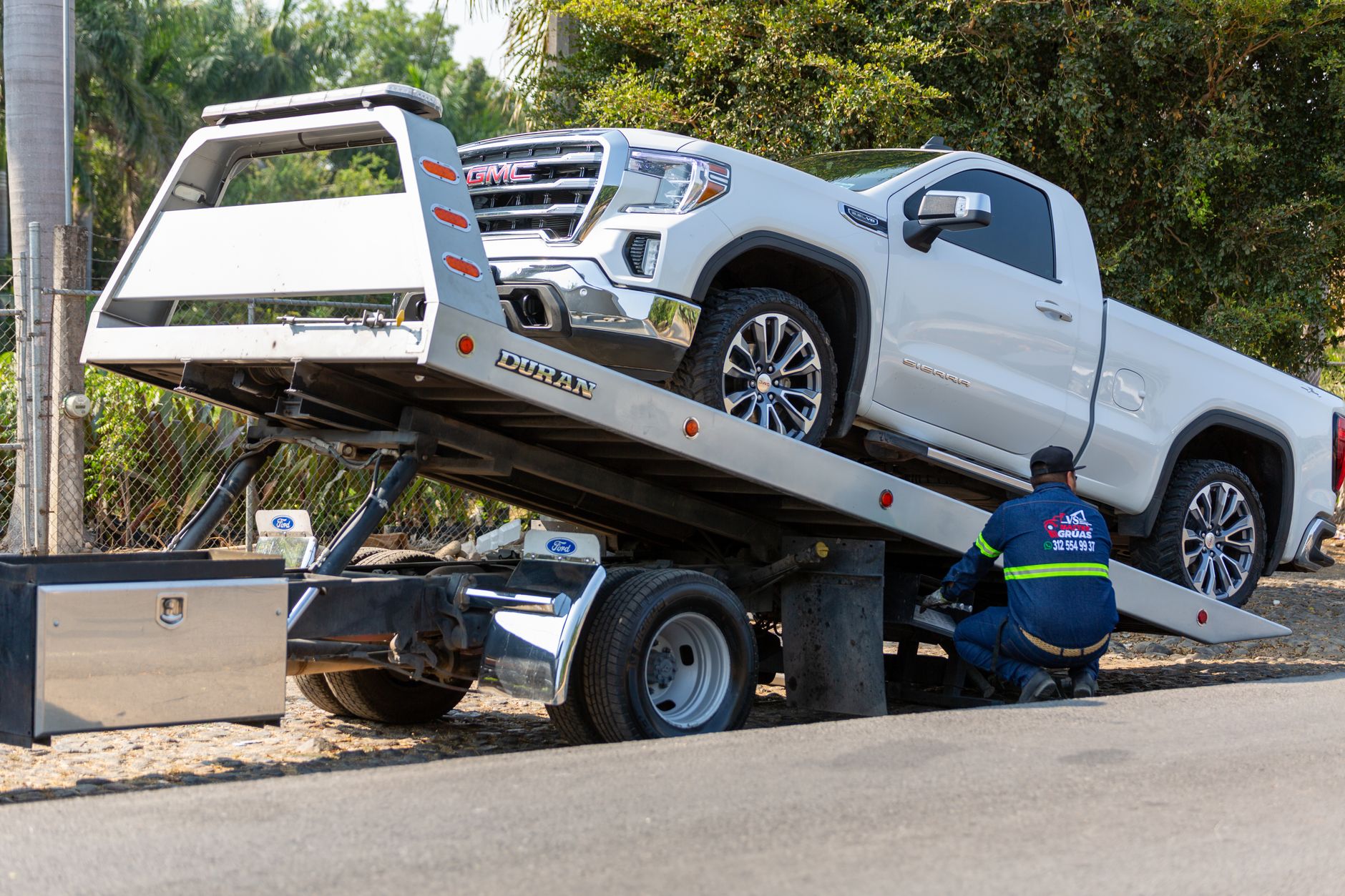
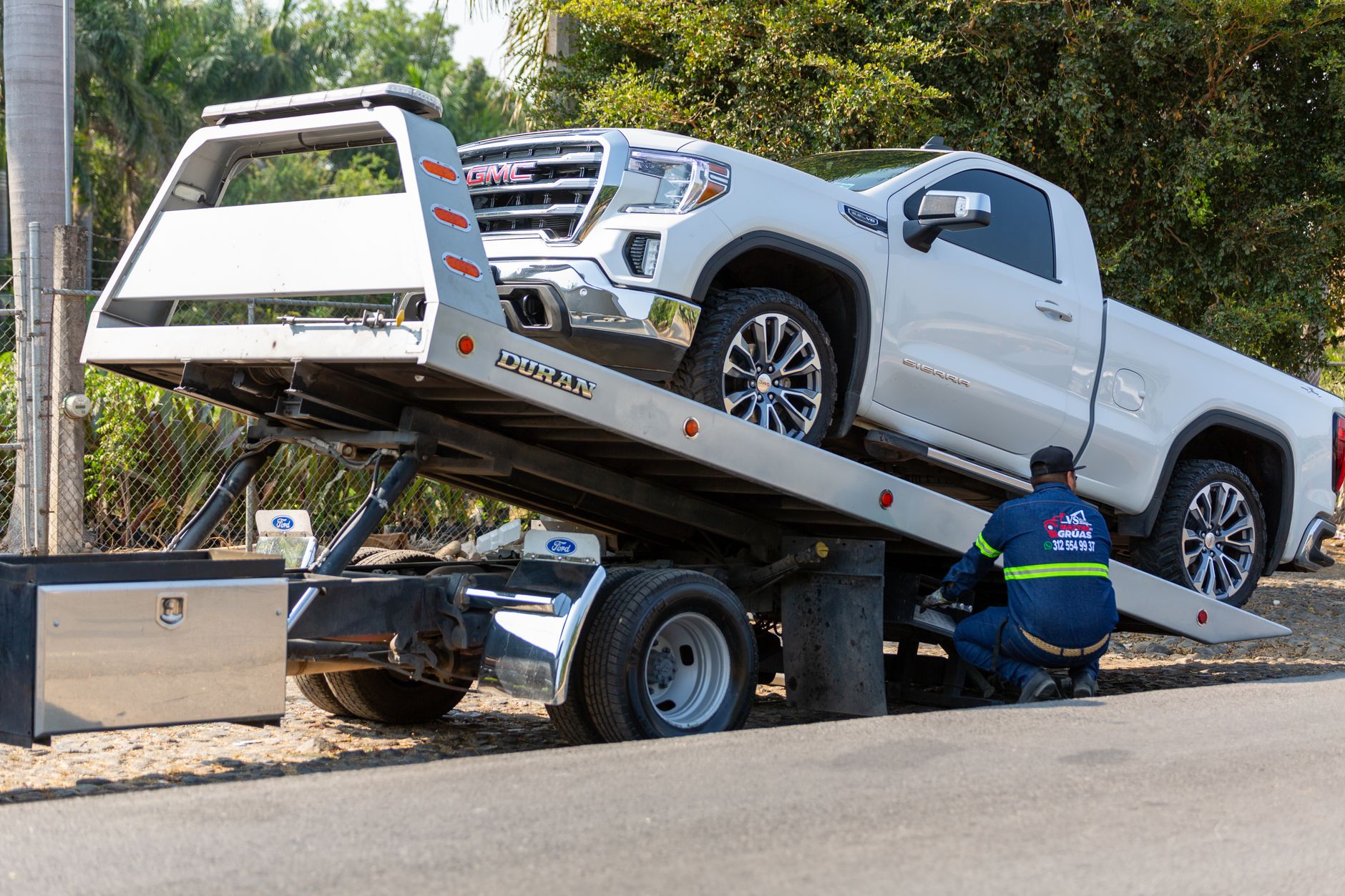
Towing is a common practice in urban settings, particularly in bustling cities like Las Vegas, where heavy vehicles often require relocation due to parking violations, breakdowns, or accidents. However, the environmental impact of towing can be significant. Heavy vehicles, such as tow trucks and the vehicles they transport, contribute notably to urban pollution levels. According to the U.S. Environmental Protection Agency (EPA), transportation is a leading source of air pollution, accounting for approximately 29% of greenhouse gas emissions in the United States.
In urban areas, the effects of towing and pollution are compounded. Heavy vehicles produce higher levels of emissions compared to lighter vehicles, releasing nitrogen oxides, particulate matter, and volatile organic compounds into the atmosphere. A study conducted in Las Vegas found that emissions from heavy-duty trucks contributed significantly to the city’s poor air quality, particularly during peak towing activity hours. This spike in pollution levels poses health risks to residents, including respiratory issues and cardiovascular diseases.

Towing and Its Urban Effects
The urban towing effects extend beyond immediate emissions. The sheer weight and size of tow trucks can lead to increased road wear and tear, resulting in more frequent road maintenance activities. This not only disrupts traffic flow but also contributes to additional emissions from construction vehicles and machinery required for repairs. Furthermore, the disturbance caused by towing can exacerbate existing traffic congestion, leading to longer idling times for other vehicles, which increases overall pollution levels.
To mitigate the environmental impact of towing, cities are encouraged to adopt towing sustainability practices. These may include the use of fuel-efficient tow trucks, implementing strict emissions standards, and promoting alternative towing methods such as electric or hybrid vehicles. By adopting these practices, urban areas can reduce their carbon footprint and improve air quality.
Addressing the environmental impact of towing requires a multifaceted approach, combining regulatory measures with community awareness and engagement. Those who rely on towing services in urban settings must consider the broader implications of their activities and advocate for more sustainable practices to protect the environment.
Urban Towing Effects on the Environment
The environmental impact towing has on urban areas can be significant, particularly concerning air quality and noise pollution. As cities expand and the demand for towing increases, understanding these urban towing effects becomes crucial for communities striving for sustainability.
Air Quality Concerns and the Environmental Impact Towing
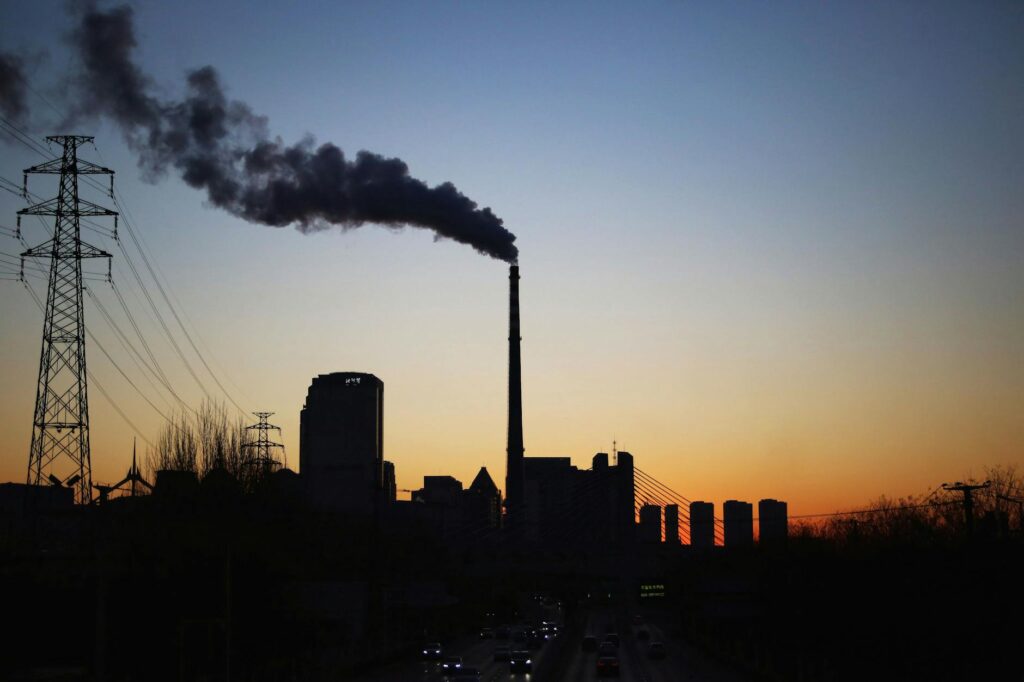
Heavy towing vehicles are known contributors to air pollution, emitting various pollutants such as nitrogen oxides (NOx) and particulate matter (PM). According to the Natural Resources Defense Council (NRDC), these emissions can severely degrade urban air quality, leading to adverse health effects for city residents. In fact, studies by the World Health Organization (WHO) indicate that long-term exposure to airborne pollutants can result in respiratory diseases, cardiovascular issues, and even premature death.
In cities like Las Vegas, where traffic congestion and towing incidents are prevalent, the cumulative effect of these emissions can contribute to a significant increase in local air pollution levels. A study showed that heavy-duty vehicles, including tow trucks, are responsible for approximately 20% of the total NOx emissions in urban areas, exacerbating existing air quality problems [source]. This is a pressing concern for urban planners and environmental advocates looking to mitigate the environmental impact towing has on city life.
Noise Pollution and Community Impact
In addition to air quality issues, urban towing effects extend to noise pollution, which can have detrimental impacts on community well-being. The constant sound of towing vehicles, especially during nighttime operations, disrupts residential areas and affects sleep quality. Research has shown that noise pollution can lead to increased stress levels, sleep disturbances, and even long-term health problems such as hypertension.
The decibel levels produced by heavy towing vehicles can reach up to 90 dB, significantly exceeding the recommended limits set by the EPA for residential areas. This persistent noise contributes to a decline in the quality of life for residents, particularly in densely populated urban neighborhoods. To combat these issues, implementing towing sustainability practices, such as using quieter, more efficient vehicles, can make a substantial difference in reducing noise pollution.
Addressing the environmental impact towing has on urban environments requires a multi-faceted approach. By raising awareness of these issues and encouraging towing companies to adopt cleaner technologies, communities can work towards a healthier, more sustainable future.
heavy traffic impact towingExploring Towing Sustainability Practices
The environmental impact towing heavy vehicles can have is significant, particularly in urban areas where pollution levels are already a concern. To mitigate these effects, the towing industry is embracing sustainability practices that not only reduce emissions but also enhance operational efficiency. This section explores innovative technologies and best practices that urban towing companies are adopting to create a greener future.
Innovative Technologies in Towing
One of the most promising advancements in the towing industry is the development of electric tow trucks. Companies like BrightDrop have begun to introduce electric models designed specifically for towing heavy vehicles. These trucks produce zero tailpipe emissions, significantly reducing the overall environmental impact towing has on urban areas. Additionally, alternative fuels, such as biodiesel and compressed natural gas (CNG), are being utilized to power traditional tow trucks, further decreasing greenhouse gas emissions.
For example, Las Vegas has been actively exploring solutions to address towing and pollution in its densely populated urban environment. The city has initiated a pilot program focusing on the use of electric and hybrid tow trucks, aiming to set a benchmark for other urban areas to follow. This innovative approach serves as a model for other towing companies looking to enhance their sustainability practices.
Best Practices for Urban Tow Companies to Minimize Environmental Impact Towing
Implementing effective towing sustainability practices is essential for urban towing companies. Here are some best practices that can help reduce their environmental footprint:
- Regular Maintenance: Keeping vehicles in optimal condition reduces fuel consumption and emissions.
- Efficient Route Planning: Using GPS and routing software can minimize the distance traveled, reducing fuel usage.
- Driver Training: Educating drivers about eco-friendly driving techniques can significantly lower emissions.
- Utilizing Hybrid Vehicles: Incorporating hybrid trucks into fleets can decrease reliance on fossil fuels and reduce emissions.
Companies like MRC Towing have implemented such practices with remarkable success, showcasing significant reductions in both operational costs and emissions. Their commitment to sustainability has set a positive example for the towing industry, encouraging other companies to adopt similar measures.
By embracing innovative technologies and implementing best practices, towing companies can effectively reduce their environmental impact. This not only benefits the planet but also aligns with the growing consumer demand for sustainable business practices. For more insights on how to implement these changes, check out Las Vegas traffic patterns.
Addressing the Challenges: Solutions for Reducing Environmental Impact Towing
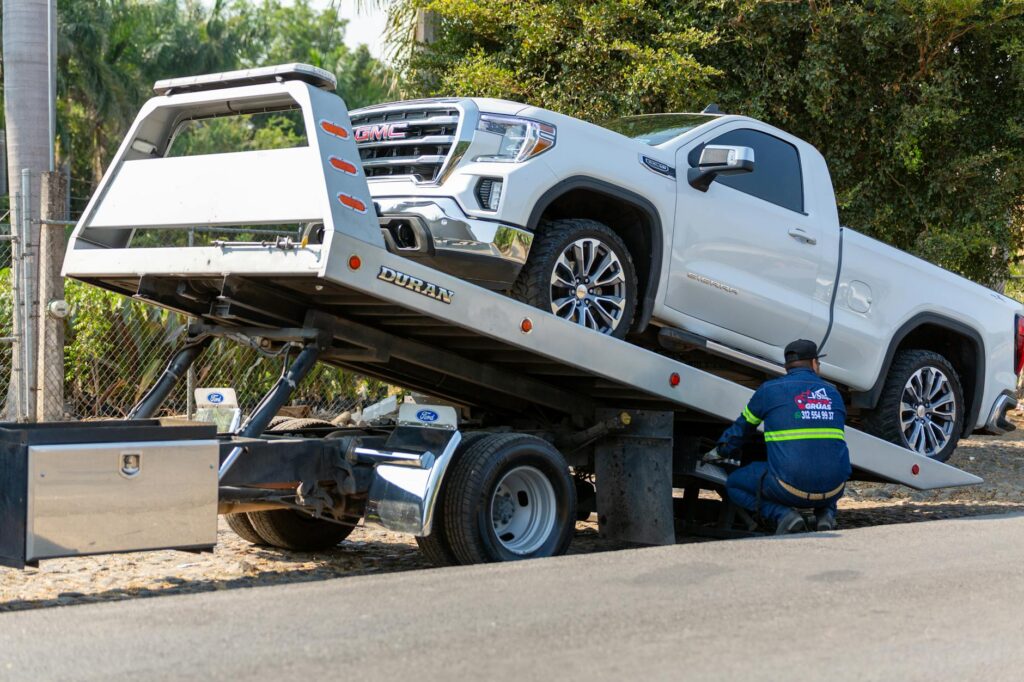
The environmental impact towing heavy vehicles has on urban areas can be significant, particularly in terms of air quality and noise pollution. To mitigate these effects, both policy recommendations and community engagement strategies are essential. By implementing effective measures, local governments and communities can work together to promote towing sustainability and reduce the negative consequences associated with towing activities.
Policy Recommendations for Mitigating Environmental Impact Towing
Local governments play a critical role in addressing the environmental impact towing poses. Here are some actionable policy recommendations:
- Implement Emission Standards: Establish strict emission standards for towing vehicles to reduce air pollution. Encouraging the use of electric or hybrid tow trucks can significantly lower greenhouse gas emissions.
- Adopt Noise Regulations: Enforce noise limits for towing operations, particularly in residential areas, to combat the urban towing effects on community well-being. This could include restrictions on towing during nighttime hours.
- Incentivize Sustainable Practices: Offer tax incentives or grants for towing companies that adopt eco-friendly practices, such as using alternative fuels or implementing efficient routing technologies. The National Highway Traffic Safety Administration (NHTSA) provides guidelines for enhancing vehicle efficiency.
Community Engagement Strategies for Towing Sustainability
Engaging the community is vital for promoting awareness about the environmental impact towing can have. Here are some strategies to consider:
- Educational Campaigns: Launch campaigns that inform residents about the impacts of towing and the benefits of adopting towing sustainability practices. Collaborating with organizations like the Sierra Club can enhance outreach efforts.
- Community Workshops: Host workshops that educate towing companies on sustainable practices and encourage dialogue about reducing towing and pollution in Las Vegas and similar urban environments.
- Feedback Mechanisms: Create platforms for residents to voice concerns regarding towing operations in their neighborhoods, allowing for community-driven solutions to emerge.
By implementing these policy recommendations and community engagement strategies, we can effectively address the environmental impact towing has on urban areas. Collaboration between local governments, towing companies, and the community is essential to foster a sustainable future.

The environmental impact of towing heavy vehicles is deeply intertwined with urban dynamics, particularly in bustling areas like Las Vegas. The towing and pollution Las Vegas experience can significantly affect air quality and urban ecosystems. As the demand for towing services rises, it is crucial to understand the urban towing effects and their broader implications on the environment.
To mitigate the negative consequences associated with towing, adopting towing sustainability practices is essential. By prioritizing eco-friendly technologies and methods, towing companies can reduce their carbon footprint and enhance their operational efficiencies. As a responsible citizen, consider supporting businesses that commit to sustainable practices and advocate for policies that promote environmentally friendly towing solutions. Taking these steps not only helps preserve the environment but also contributes to a healthier urban landscape for future generations.
“`html
What is the environmental impact of towing heavy vehicles?
The environmental impact of towing heavy vehicles is significant due to increased fuel consumption and emissions. Towing heavy loads requires more energy, leading to higher greenhouse gas emissions. Additionally, the weight can strain road infrastructure, contributing to wear and tear, which leads to more frequent repairs and resource use. The cumulative effect can be detrimental, especially in urban areas where traffic congestion and pollution are already pressing issues.
How does towing and pollution affect Las Vegas?
Towing and pollution in Las Vegas are interlinked, as the city’s warm climate exacerbates air quality issues. Heavy vehicles contribute to elevated levels of nitrogen oxides and particulate matter, which can lead to respiratory problems among residents. The increased frequency of towing heavy vehicles in urban areas adds to traffic congestion, further worsening air quality. Efforts to address these challenges are vital for improving public health and environmental conditions in the region.
What are the urban towing effects on air quality?
Urban towing affects air quality by increasing emissions from heavy vehicles, which often burn more fuel when towing. These emissions include harmful pollutants that contribute to smog and respiratory issues. In densely populated areas, the cumulative effect of multiple towing operations can significantly degrade air quality. Implementing cleaner towing practices and promoting electric or hybrid tow vehicles can help mitigate these negative impacts.
What towing sustainability practices can minimize environmental impact?
Towing sustainability practices that minimize environmental impact include using fuel-efficient vehicles, regular maintenance to ensure optimal performance, and implementing route optimization software to reduce unnecessary driving. Additionally, towing companies can explore alternatives like electric tow vehicles or hybrid options to lower emissions. Educating drivers on eco-friendly driving habits also contributes to reducing the environmental footprint of towing operations.
How can towing companies reduce their carbon footprint?
Towing companies can reduce their carbon footprint by investing in fuel-efficient and low-emission vehicles, implementing regular vehicle maintenance, and training drivers in eco-friendly driving techniques. Transitioning to electric or hybrid towing vehicles is another effective strategy. Companies can also offset emissions by participating in environmental initiatives or supporting renewable energy projects, which further aids in lowering their overall impact on the environment.
What are the community impacts of urban towing?
The community impacts of urban towing can be profound, as towing operations can contribute to noise pollution, traffic congestion, and environmental degradation. Residents in areas with frequent towing may experience increased stress and health issues related to air quality. However, effective towing practices can also enhance public safety by ensuring that abandoned or illegally parked vehicles are removed, helping to maintain a cleaner and more organized urban environment.
“`